

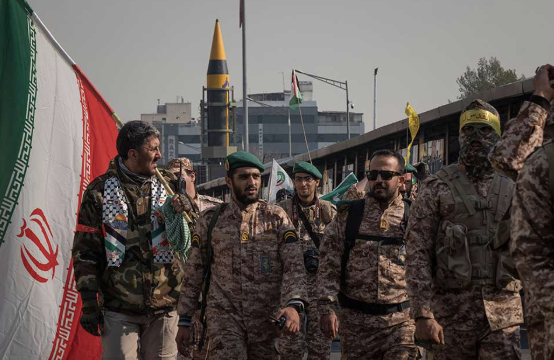
U.S. Operation Epic Fury’s unexpected military invasion of Iran on February 28th, 2026 shook international agreements and global headlines as tensions between nuclear hegemonies—both allies and adversaries—escalated sharply overnight. With Iranian Supreme Leader Ali Khamenei’s death promptly occurring from US decapitation strikes and a rapid global transition to social media in the 21st century, there has been a sudden increase in intense fearmongering about the widespread and possibly inevitable outcomes of the abrupt coup d’état. However, as updates on the strikes, sanctions, and civilian reports emerge in fragments, key information about the reality of the war is being withheld from the public. In this period of confusion and uncertainty, it is imperative to track current developments in the political landscape while also keeping an eye on past and future factors that are influencing current policy decisions.
The conflict began at approximately 10:30 P.M. PST on February 28th, 2026. A large-scale U.S. and Israeli joint operation aimed at destroying Iranian nuclear and naval programs resulted in explosions reverberating across several major Iranian cities, including the capital, Tehran. The first wave of missile strikes reportedly killed nearly 180 innocent individuals, many of whom were elementary school children, via a Tomahawk missile strike on the Iranian Shajarah Tayyebeh school. In response, Iran’s Islamic Revolutionary Guard Corps (IRGC)—an elite military sector responsible for protecting an ideological Islamic regime—saw this as an imminent threat and quickly launched retaliatory strikes on U.S. military bases in Qatar, Kuwait, and the United Arab Emirates.
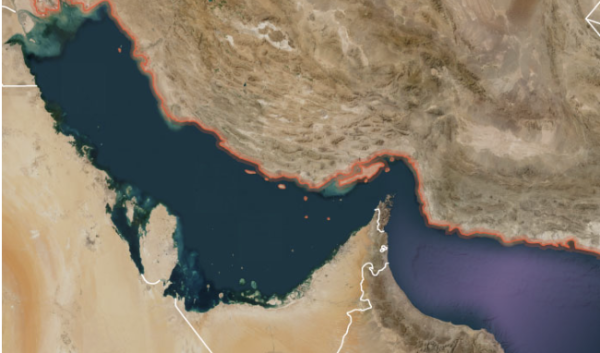
Furthermore, many economic impacts surfaced from foreign tensions and ongoing political rivalries, inflicting extensive restrictions on global trade and commerce. Iran’s reported closure of the Strait of Hormuz— a critical oil sea channel connecting the Persian Gulf to the Arabian Sea with over 600 billion dollars passing through annually—has disrupted international energy trade and led to volatile gas inflation, including in California, where prices soared up to $6 per gallon compared to the initial $4.50 before the conflict. As over 80% of the global energy supply runs through the Persian Gulf, the exacerbated oil inflation will only worsen as the war effort continues. The enormous decrease in trade vessels permitted to cross the strait has also dealt heavy economic blows across international borders, including in Europe and also for China’s economy, with limited access to the strait. As Chinese markets account for more than 90% of Iranian oil exports, the oil shortage has fueled diplomatic pressures for Iran to reopen the strait.
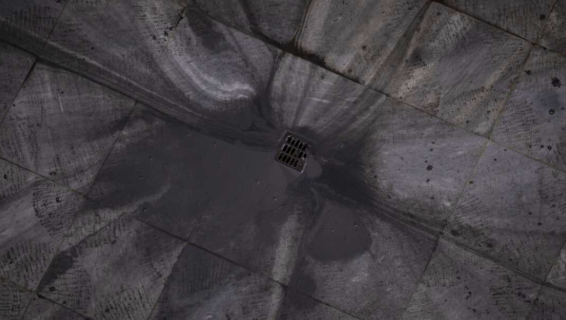
The rift among and within political parties is another one of the underlying effects behind the violent and socially destructive warfare on both sides. While many Republicans are in favor of the U.S.-Iranian war, a PBS interview revealed that some attendees expressed uncertainty and even opposition over the war’s motives. Other young individuals of varying political beliefs see the war as a broken promise of the Trump administration’s to keep the U.S. within an isolationist foreign policy devoid of international warfare intervention. And as deadly environmental devastation with black clouds and toxic rain emerges from toxic pollutants in the fallout caused by missile strikes, the morality of the war comes into the equation more prominently than ever. The World Health Organization notes of potential, permanent health effects that will impact millions of civilians—particularly the youth, the elderly, and individuals with medical conditions—as attacks on Iranian facilities continue.
Currently, an extended ceasefire period has been established as U.S.-Iran peace talks continue; nonetheless, the armistice remains fragile, attributed to a U.S.-enforced blockade on the Strait of Hormuz intercepting all Iranian trade to prevent Iran from exploiting crucial oil exports. With economic pressure compelling Iranian commanders to act, and no evident entente from diplomatic negotiations, it is important to be aware and stay informed of the true situation unfolding in the Middle East. Although tensions appear at an all-time high with thousands of families continuously living under the veil of fear, educating the next generation on the dangers and historical relevance of war is the only way to spark urgency, advocate for peace, and to subside the century-old conflict between these strained national borders.