
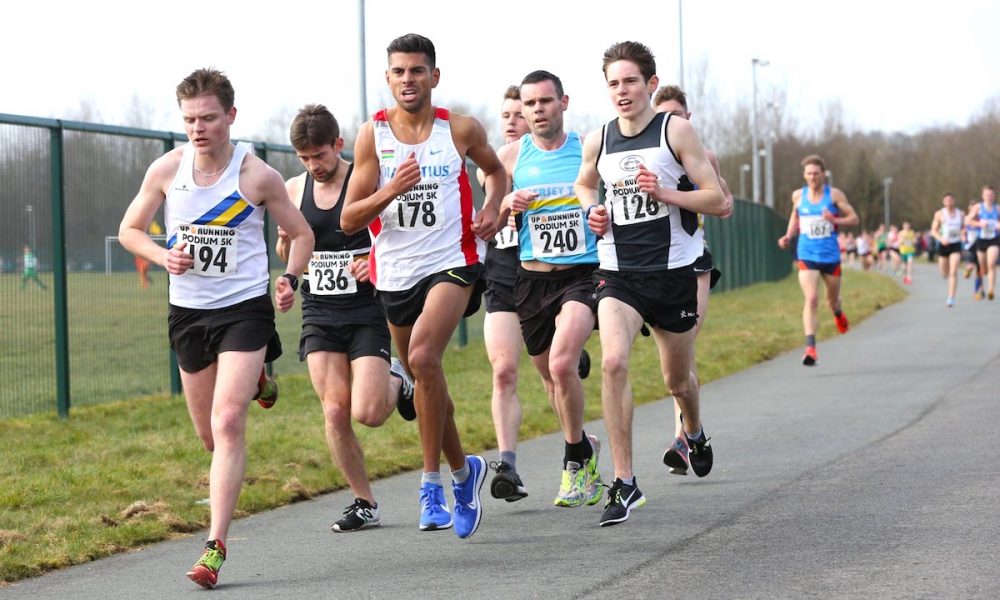
Want to get faster at running? The answer might surprise you: slow down! Many people believe that running faster will make them faster, but that will only increase injury risk. The actual speed secret is running slower. Running in zone 2 combined with speed work and recovery will make you improve in no time.
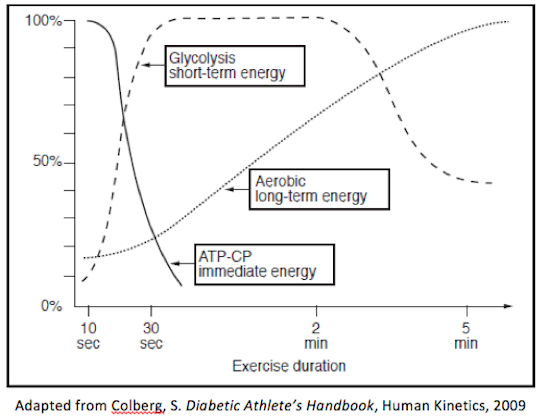
How does running slower make you faster? Running slower makes you faster by building your aerobic system, which helps your body use oxygen more efficiently. To run, the body stores carbohydrates, essential nutrients that provide energy, as glycogen, a complex carbohydrate molecule to be used as fuel. With enough oxygen, the body uses the aerobic system to break that glycogen down and release energy (ATP) to power long distance running. When you continue to run in the aerobic zone consistently, the body gets better at using oxygen to make energy; therefore, helping you run faster. Why train the aerobic system? The majority of the energy needed to race longer than 800 meters comes from the aerobic system.
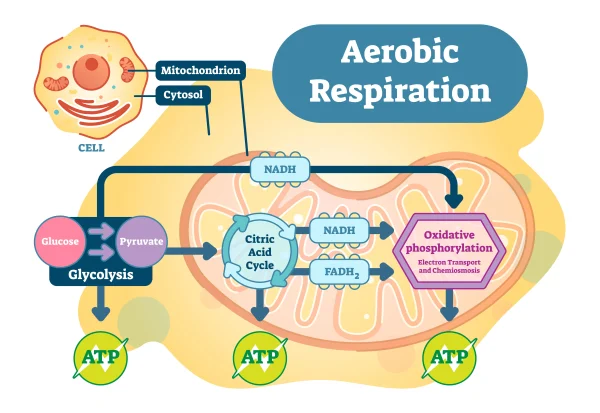
From aerobic training, two key developments also make you faster: Capillaries and mitochondria. Capillaries are tiny blood vessels that bring oxygen and nutrients to the muscles and carry waste products out. The more capillaries there are around muscles, the faster the transport of oxygen and carbohydrates is into the muscles. Aerobic training increases the number of capillaries in the muscles, allowing more oxygen and nutrients to enter the muscles and waste products to exit faster, allowing you to run faster and more efficiently. The mitochondria are a microscopic organelle found in muscles that make ATP, breaking down carbohydrates, fat, and proteins into energy if enough oxygen exists. The more mitochondria that exist, the greater their density, meaning more energy is generated, so that you can run faster for longer periods of time. Aerobic training increases the number and size of the mitochondria in muscles.
Running slower promotes recovery, leading to faster running gains. Running easy days slower promotes better recovery from hard workouts and helps running speed days faster. After a speed workout, muscles have micro-tears, causing muscle soreness. The body heals the tears through the circulatory system with oxygen and nutrients, and by running slower, oxygen and nutrients can be delivered to the muscles faster. In some cases, easy runs can be better than completely resting because both promote recovery, but rest days promote slower recovery.
Why doesn’t running faster make you faster? Running faster decreases the development of the aerobic system, increasing the chances of injury or overtraining. Research confirms that the best capillary development happens from runs are typically done at about 60-75% of 5k race pace, and the best mitochondrial development happens from 55-75%. Running at a more leisurely pace may feel extremely slow; however, it is the best for aerobic development. Even if you feel great on your easy day, running faster will only increase stress on muscles, tendons, ligaments, and bones. Even if your breathing is fine and muscles feel fully rested, the injury risk is too high to try pushing the running pace.
But running slow isn’t the key to the entire puzzle. The ideal running rule is the 80/20 rule, which states that 80% of training volume should be at a low intensity or zone 2, while 20% should be at moderate to high intensity or zone 3-5. As for the 20% of training volume, it should be trained at zone 3-5 heart rate. Zone 3 heart rate is considered “tempo” pace or where lactate starts to accumulate in the body, and it feels challenging but sustainable for 30-60 minutes. Zone 4 approaches the anaerobic threshold, and breathing and talking is difficult. Zone 5 goes beyond the VO2 max territory and can only be sustained for 3-5 minutes.
The purpose of training at this higher intensity is to improve your anaerobic system, VO2 max, and increased stamina. It allows your body to build adaptations only acquired in higher intensity. Some exercises to build the anaerobic system include interval sessions, tempo running, and threshold workouts. By building both the aerobic and anaerobic system, it leads to better race performances. Other benefits of the 80/20 rule include increased endurance, reduced injury risk, enhanced fat metabolism, and performance across all zones.
Ultimately, the secret to speed is to slow down. However, slowing down by itself is not the entire puzzle. The combination of slow running, speed work, recovery, and smart decisions will help you reach your full potential as a runner.