

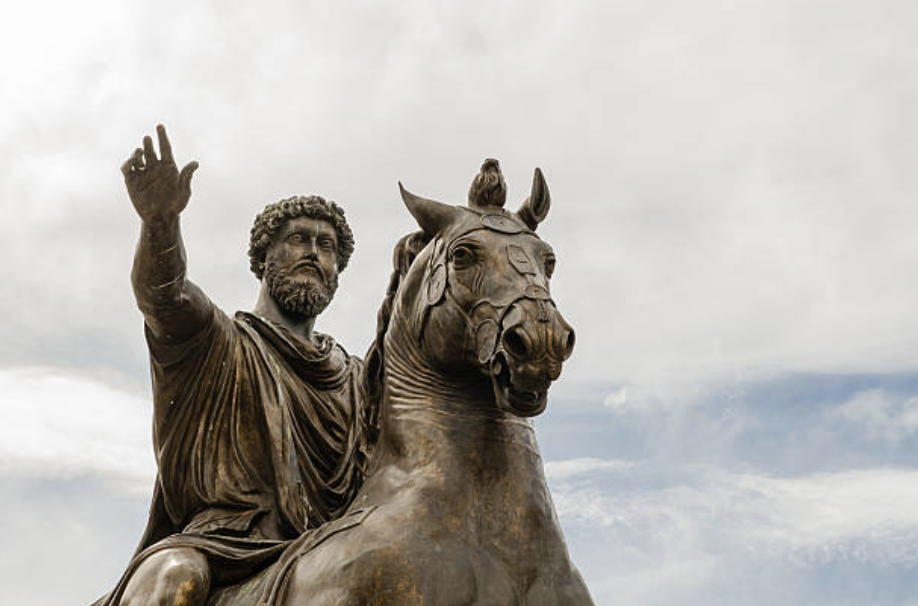
“You always own the option of having no opinion,” wrote Marcus Aurelius, a Roman emperor, nearly two thousand years ago. In his book Meditations, Aurelius, wrote about controlling one’s thoughts, accepting fate, and living virtuously. Today, “having no opinion” feels almost impossible. Not because it is outdated, but because the environment around us works against it.
Reading the news has become a daily habit of mine for many years. Every day, there is something new in the headlines. It feels like there is always an issue we are expected to care about and respond to. More than that, we are often pushed to pick a side, and simply staying silent is often looked down upon. Remaining neutral feels like you are indifferent to societal problems or not knowledgeable enough to speak on an issue.
But the truth is, not everything we see is something we are fully ready to understand or judge immediately. A lot of issues are complex or missing context that takes time to grasp. Especially in our current day and age, we struggle with having to deal with misinformation or AI-generated content. Still, society seems to reward fast reactions more than careful thinking.
On top of that, there is also a herd mentality that exists in everyday life. When one opinion becomes dominant, it often starts to automatically feel like the “correct” one. People begin to align with it without fully questioning it, just because it is what most people around them seem to believe. Going against what a lot of people believe in can feel uncomfortable or even isolating, so many choose not to. Over time, this narrows the range of viewpoints being shared and makes it seem like there are only a few acceptable ways to respond.
 A recent example of the pressure to have an opinion is the “Blockout 2024” movement that spread across social media about the war in Gaza. This war was a conflict between Israel and Palestine over borders and land control in the region. It escalated in 2023 after an attack by Hamas on Israel and the Israeli military response in Gaza.
As explained in a TIME article, users on platforms like TikTok and Instagram began encouraging others to block celebrities who had not spoken about the conflict. The idea was that by reducing their followers and engagement, people could put pressure on influencers and celebrities to use their platforms to speak out.
At first, it looked like a form of digital activism. However, it quickly became a way to judge people publicly based on whether they had posted their view on an ongoing situation.
What this shows is how quickly society can turn pressure into judgment. Instead of creating space for understanding, our environment has created a sense of urgency to respond to a topic. This is where Marcus Aurelius’ idea comes into play. The “option of having no opinion” should not be seen as ignorance or indifference. It can be a form of honesty, where a person recognizes that they do not yet fully understand a particular issue and would rather stay silent instead of rushing into a conclusion.
The real issue is not that people are silent too often, but that we have made silence feel unacceptable.