

The first wave of the women’s movement in the United States was kickstarted in 1848 at the Seneca Falls convention. As a response to the legal, political, and social discrimination that women faced during this time, Elizabeth Cady Stanton and Lucretia Mott organized the Seneca Falls Convention. There, the famous Declaration of Sentiments was drafted, calling for the same protection and rights of women under the law as men. Over the next centuries, women have continued to fight for autonomy—albeit in different forms.
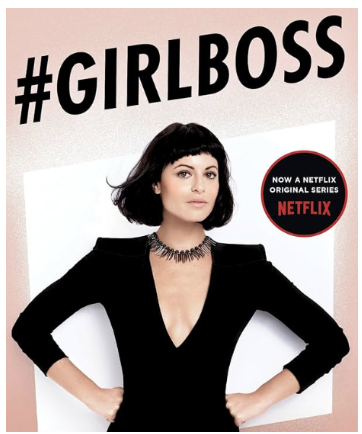
Today, the women’s movement has splintered into two main factions: the “girlboss” movement, a popular hashtag pioneered in the 2010s by Nasty Gal E-Bay store founder, Sophia Amoruso, to empower young women to enter the workforce and create their own wealth. Since then, women such as Kylie Jenner, Drew Barrymore, and Rihanna, have defined the girlboss movement, inciting a generation of women excited to build their own careers and start lives outside of traditional gender roles.
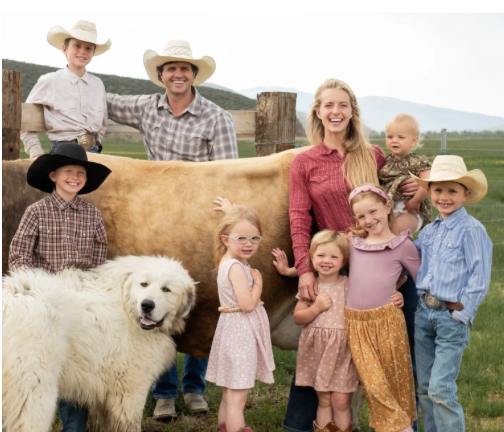
On the other hand, the tradwife movement, which gained prominent traction during the 2020 pandemic, is the stark opposite of being a girlboss. According to Alena Kate Pettitt, widely considered one of the original “tradwife” influencers according to The Darling Academy, the tradwife subculture “openly rejects the side of feminism that is man-hating [and] takes a victim mentality in all things.” Instead, Pettitt, along with other tradwife influencers such as Hannah Neeleman—co-founder of Ballerina Farms, a ranch, and prominent business of the tradwife movement—advocate for a revival of 1950’s-esque traditional gender roles: tending the home, taking care of children, and being solely dependent on the husband’s income.
And while these two subcultures seem as if they oppose each other, they are fundamentally similar. Both movements commodify women’s labor, either domestically or entrepreneurially. For example, the girlboss movement commodifies the intellectual labor of women—championing liberation through her productivity, neglecting emotional and physical needs to rise up the social ladder, and claiming liberation through wealth.
The tradwife movement, on the other hand, exploits domestic and emotional labor. Such examples include making sourdough bread or homeschooling children, selling the picture-perfect “slow life” and the total surrender of oneself to her family and husband. These movements also politicize the choices that each woman ought to make on her own accord, such as abortion, the choice of staying at home or working when becoming a mother, and bodily integrity. Furthermore, both movements are deeply rooted in capitalist and conformist ideals, encouraging consumption and meeting the “social standard” to mask the systemic inequalities they perpetuate through the ideas of “freedom,” “liberation,” “choice,” and “propriety.”
These movements also function as political mouthpieces that fabricate systemic societal failures into lifestyle choices. By framing the lack of social safety nets, such as affordable healthcare, child care, paid parental leave, and inability to find a well-paying job, as a matter of choice, these movements start to protect the government from stepping into accountability.
As a result of these movements polarizing the conception of women, a woman’s standing in society is becoming increasingly politicized. Through this divide, society reduces her autonomy for power, debate, and profit instead of measuring her worth for her humanity. The tradwife and girlboss movements only accelerate the politicized nature of women in our society.
True liberation does not come from limiting women’s agencies or subjugating other women. Instead, liberation comes from challenging the systems through and the societal narratives that try to shape who women become and what those narratives should really look like. Challenging societal pillars can come in all types of ways, from writing letters to our lawmakers to increase the responsibility of welfare programs onto the state, correcting someone’s misguided ideas, to enacting more gender-neutral language in our everyday life.