
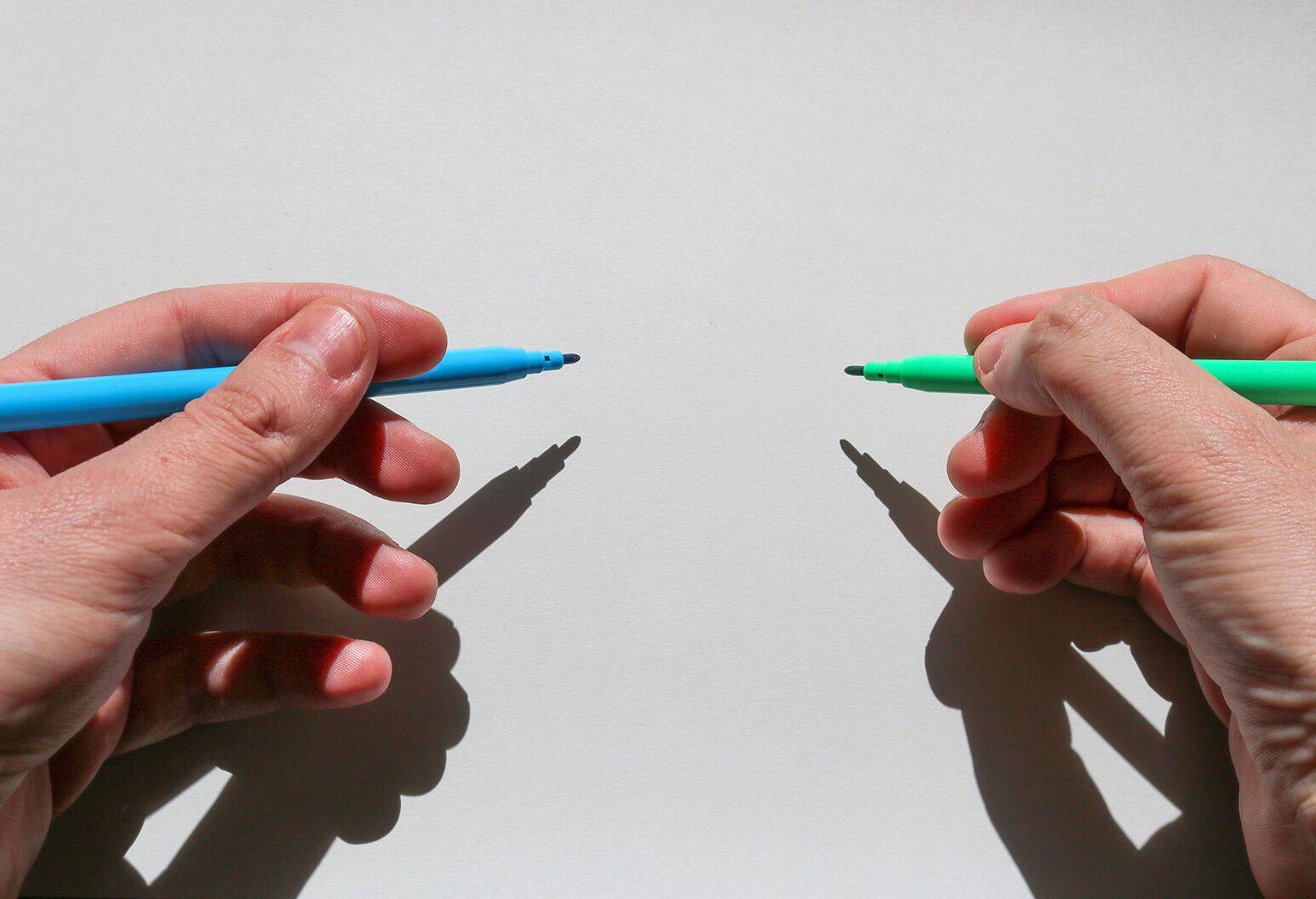
Most people would agree that being left-handed is very rare. Our world is largely made up of and built for right-handed people—but why is that? Where does left-handedness come from?
Being left-handed is caused by numerous factors, including genetics, social influence, and simply chance. The way the brain works also differs between most right and left-handed people. Additionally, many inventions today are made for the efficiency and usability of those with right-hand dominance, which can make living more difficult for left-handed people. However, there also exist many advantages unique to left-handedness.
Most scientists agree that handedness, your natural preference for one hand or the other, has its roots in brain lateralization. This means that the left side of the brain controls our analytical skills, such as math, writing, speaking, and logic, while the right side of the brain is more involved with our creativity, emotions, and ability to do art. Each hemisphere controls the opposing side of the body, working together to allow you to complete life tasks.
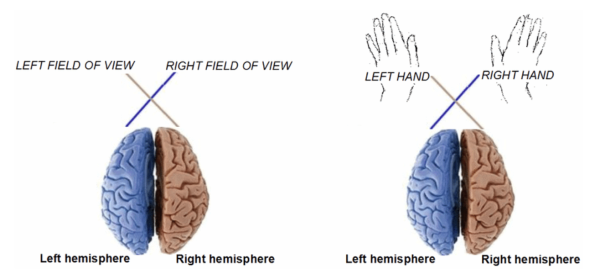
Brain lateralization has a major impact on handedness. For most left-handed people, their functions of having logic and creativity are instead distributed equally on both sides of the brain, rather than having one side focus on certain abilities. They also may have a more active right side of the brain. However, this does not mean that they are completely right-brained and have an inactive left hemisphere, as it is not possible for anyone to solely rely on one side of the brain.
Can left-handedness run in your family? Most of the time, hand dominance is determined by chance, and is often random. While it is more likely for someone to be born left-handed if their parents are left-handed as well, this happens only around 25% of the time, so it is not completely dependent on genetics. However, watching a parent execute daily tasks with a certain hand can cause the child to imitate them, essentially learning their handedness.
Similarly, one’s culture may impact hand dominance. Certain technology and social norms force many left-handed people to adapt to right handed tools, making people get accustomed to using their right hand all the time. For example, companies often manufacture tools such as scissors or gaming controllers for right-handed people, uncomfortably forcing left-handed people to use their right hand for most tasks.
This creates challenges for left-handed people, such as being able to write neatly from left to right without smudging, or play a sport with equipment made for right-handed people. A study by The Journal of Economic Perspectives also states that there is a wage gap between left and right-handed people, with some left-hand dominant people making about 10% less than those who are right-handed.
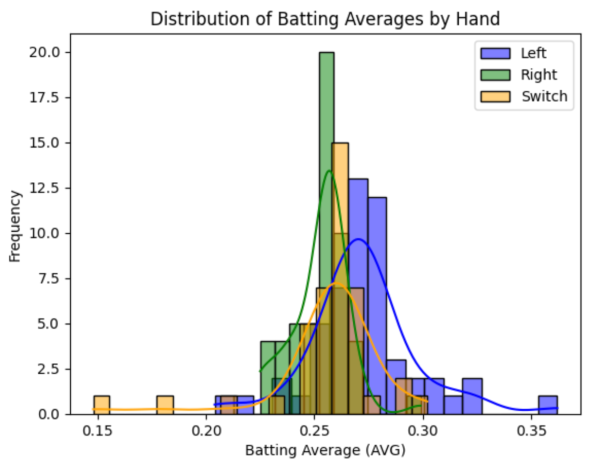
Inversely, left-handedness provides its own advantages, such as being unpredictable in sports. A left-handed or left-footed opponent can be a surprise to an athlete used to right-handed opponents. Additionally, since most left-handed people have their brain lateralization more evenly distributed, they are able to multitask better than right-handed people. The advantages of being a leftie shows that it is important to society that not everyone is right-handed.
Left-handed people make up a very small percentage of the population, differing from right-handed people in their brain functionality and genetics. Our society often looks to change them into becoming right handed through social or cultural pressure, which creates challenges for many lefties in regards to using tools or being able to write proficiently. However, their significance to the world can be demonstrated by a heightened creativity that helps shape humanity toward the greater good.