

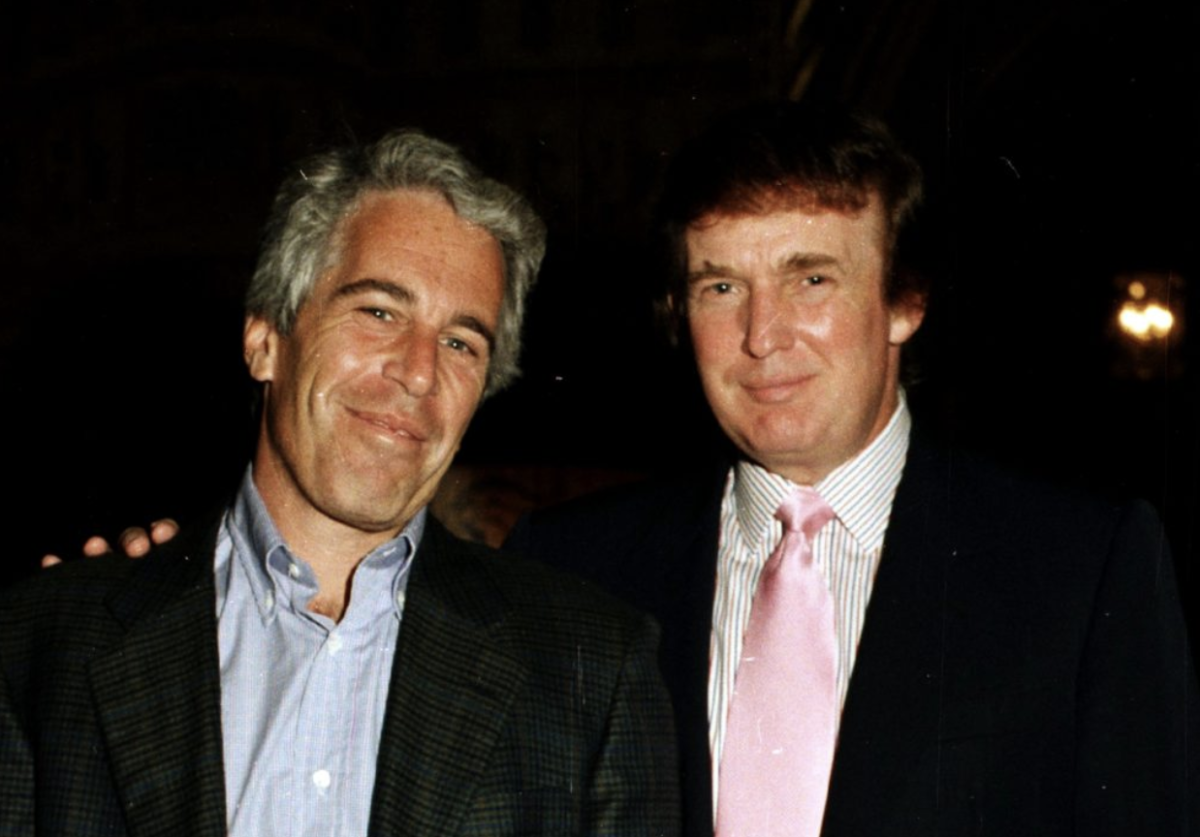
“I’m not a sexual predator, I’m an ‘offender’,” Jeffrey Epstein told The New York Post in 2011. “It’s the difference between a murderer and a person who steals a bagel.”
Jeffrey Epstein, an American financier, climbed his way to the top as he leveraged connections to the world’s elite. Epstein’s conviction for federal sex trafficking on July 9th, 2019, marked the wave of his house of cards collapsing, as public officials and PR managers scrambled to sever all ties. The corruption ran deep–the following trial unraveled the crimes committed on Epstein’s private island in the U.S. Virgin Islands, 70 acres of secluded property designed for trafficking, abuse, and exploitation. For years leading up to their release, the compiled files from FBI investigations, witness testimonies, and investigations, now bear the title the Epstein Files, released to the public on December 19, 2025.
As the redacted documents face public scrutiny, the media continues to raise the question: When will his many victims receive justice? While remaining a high priority in federal courts, the answer remains vague, as accountability is dodged by countless of America’s wealthiest and most protected individuals. A variety of public officials associated with Epstein after his persecution have been brought to light, including Donald Trump, Elon Musk, and even Britain’s Prince Andrew.
Last July, President Trump sued The Wall Street Journal and affiliates for 10 billion dollars, claiming their publication of correspondence between himself and Epstein was “fake news.” The case was dismissed on April 13th without verifiable malicious intent by the publication, however, Trump continues to face backlash for reported ties. Attorney General Pam Bondi, one of Trump’s most loyal advocates, was fired on April 2nd for her mishandling of the files, as expressed displeasure with the lack of investigation regarding political opponents involved and believing his vision was poorly executed.
But while names are exposed, investigations struggle to find a correlation with confirmed criminal activity, prompting public outcry for full transparency. That means putting a stop to the endless black lines that shield those accountable, a demand shared by many politicians today, and one that until met, will serve as an obstacle to the truth. Society has played a large part in keeping the heat on, utilizing social media to pressure officials to pursue justice for the over 1000 victims, with some users combing through the files themselves to identify connections.

Nonetheless, there remains an often overlooked backstory to how the multimillionaire amassed his fortune. At his death, his net worth was estimated to be $600 million, built primarily through managing money for billionaire clients. Yet Jeffrey Epstein never graduated from college. He graduated high school at 16, skipping two grades and moving on to begin studying math physiology at a university before dropping out to pursue other interests.
Undoubtedly, his proficiency in math allowed him to land a teaching job, which would later represent the first step in his climb. With a modest early life as a member of the working class, reports indicate that his path to financial success is less about brilliance than a ladder of connections that brought him closer to the top.
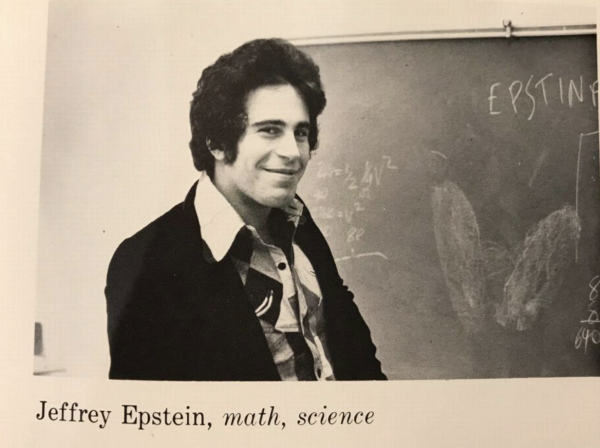
This strategy began in an art gallery in Manhattan, where the young professor encountered a Dalton parent familiar with his mathematical prowess, encouraging him to utilize his skills by interviewing a friend on Wall Street, the CEO of investment banking company Bear Stearns. Unfamiliar with the corporate world, Epstein agreed, capitalizing on the first of many upcoming opportunities.
It later became apparent that the subsequent decades of success could be attributed to a unique charm that opened doors, in combination with tactical ploys that fooled experienced businessmen across the country.
His next stop was within the foundation of his own firm, misappropriating millions of dollars and gaining connections such as British socialite Ghislaine Maxwell, who later used her standing to transport underage girls to his property. Fixated on maintaining status, Epstein’s fixation with world leaders, tech giants, and money is now speculated by psychologists to have been the product of narcissism, as till his death he remained unapologetic for his actions.
In the end, the story of Jeffrey Epstein serves as a testimony to the public on just how far the power of exclusive access can take a person. Despite numerous criminal allegations throughout the decades, systemic failures persist, and face society with the option of addressing the harms many survivors hold onto today.
Headlines on discoveries, trials, and conspiracies will continue to make headlines for time to come, but one lesson remains clear: The survivors’ voices won’t be silenced, and the battle drum to prosecute the guilty won’t stop until justice is served.