

Since 1980, the rate of growth for female incarceration has outpaced that of men by over 800%, making women the fastest-growing population in the United States prison system. Despite this rapid increase, however, correctional institutions remain inadequate to support the biological, psychological, and social health needs of women. As a consequence, incarcerated women face significant barriers to proper healthcare, with the surging gap between institutional structure and humanitarian needs, exposing the stark issue of gender inequality in prisons.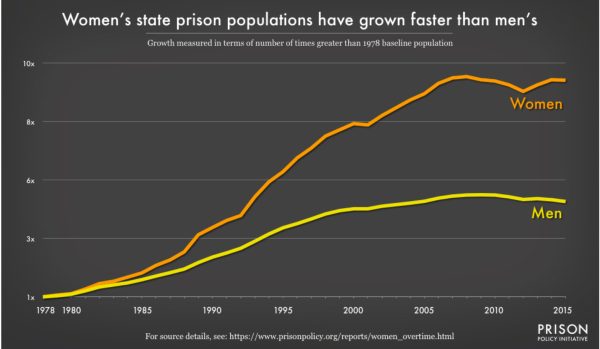
Currently, hundreds of thousands of women are within the carceral system, including those incarcerated, under probation or parole. They are often imprisoned for nonviolent offenses and suffer harsher consequences than men for the same crimes. Compared to men, incarcerated women are more likely to have experienced physical, emotional, or sexual abuse prior to imprisonment. According to a study on the patterns of victimization among male and female inmates from the National Library of Medicine, at least half of incarcerated women have experienced at least one traumatic event in their lifetime, one example being childhood abuse being reported by 25%-50% of women compared to 6%-24% of their male counterparts.
These histories of trauma contribute to higher rates of mental illness, substance use disorders, and chronic health conditions among women in prison. Yet, despite heightened needs, prisons lack the resources and systems necessary to provide adequate care. This shortfall is largely due to the fact that prisons were originally modeled around the male population and have failed to account for the growing female population in prisons. If this trend continues, untreated trauma and inadequate healthcare will worsen health conditions and increase recidivism, reinforcing cycles of incarceration that affect not only these women but also their families and communities. 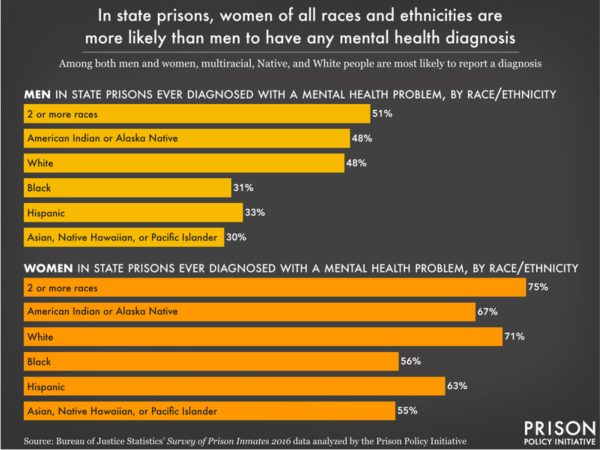
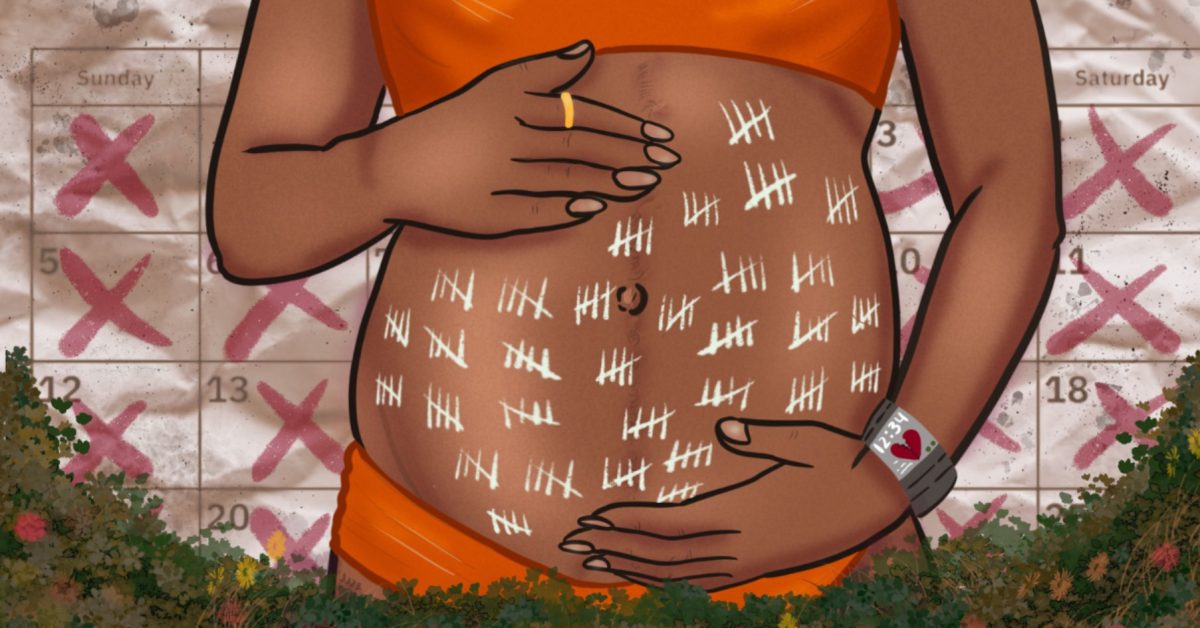
One of the most pressing healthcare problems for women is reproductive care, and this is especially of concern for incarcerated women. Although a small percentage of women in correctional facilities are pregnant (between 6-10%), it does not justify the insufficient prenatal care, screenings, or support during pregnancy and childbirth that they receive. These pregnancies are also often high-risk that can be due to prior trauma and untreated medical conditions.
Without consistent monitoring and proper medical intervention, complications and serious health issues are more likely for both the mother and the infant. Additionally, access to alternative options, such as abortion, is uncertain and can be restricted by prison policies, leaving women with limited control over their own reproductive health.
Many women also lack consistent access to basic menstrual products. The inaccessibility of menstrual products not only poses health risks but undermines the dignity and basic standards of humane treatment. Such conditions show how the prison system fails to meet even the most basic healthcare needs for women.
These shortcomings do not only appear in physical health; mental health services and rehabilitation efforts are similarly inadequate. Incarcerated women experience high rates of trauma, depression, and substance use disorders, yet opportunities for counseling and psychological care within prisons are scarce. Instead, solitary confinement and the threat of violence continue to exacerbate mental health struggles. 
Collectively, these healthcare inequalities raise the question about whether the system truly protects the rights and dignity of incarcerated women. Incarceration should not strip individuals of their basic rights, including access to healthcare. The current system often treats imprisoned people, especially women, as less deserving of care, reflecting broader societal injustices. Limited access to essential services and control over women’s bodies point to a system that prioritizes punishment over rehabilitation and well-being.
These issues must be addressed, but it will require a fundamental shift in how prison systems operate. A focus on trauma-informed care, rehabilitation, and effective support can significantly improve health outcomes. For women, access to reproductive healthcare, mental health services, preventative services, and basic necessities is essential.
The disparities in healthcare range widely and highlight a profound injustice that is often overlooked. Ensuring that incarcerated women receive adequate and humane healthcare is not only a legal obligation, but a moral responsibility to uphold the dignity of others in order to promote health and justice for everyone regardless of gender and social standings.