
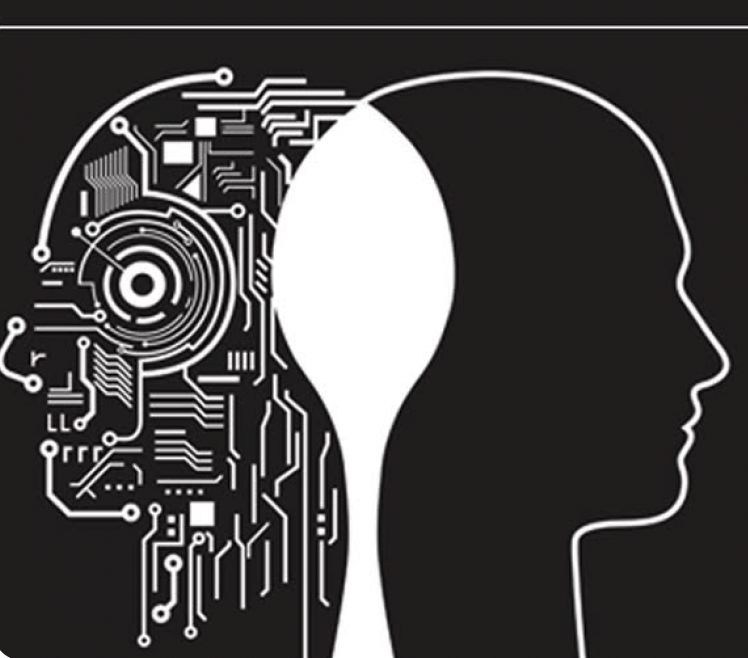
Since the advent of artificial intelligence in 1956, AI has evolved tremendously, becoming a part of daily life—but not necessarily for the better. AI’s influence has reached over 2 billion users and all facets of life. While AI has revolutionized efficiency, its overuse is hindering our critical thinking skills, propagating harmful misinformation, and destroying our environment.
AI propaganda is undermining human intelligence, blurring the thin line between reality and illusion. AI was once recognizable—you could judge human nature within its content. Today, it’s difficult to distinguish between the two: I was shocked when, a few weeks ago, I fell for an AI video that seemed entirely real. Now, over-exposure to convincing synthetic voices, faces, and even writing damages our ability to rely on several instincts—our focused consciousness and judgement are skewed by an overdose of AI-generated content.
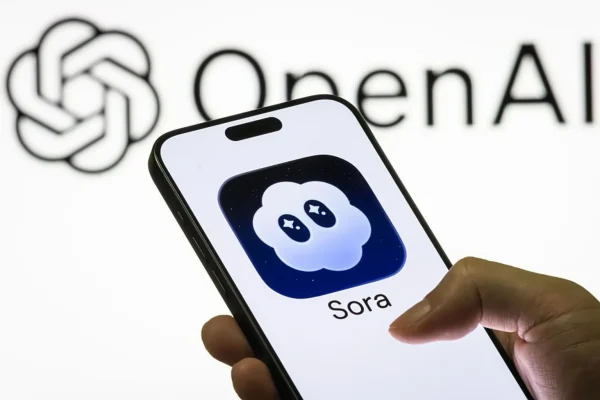
This diminishing ability to distinguish between what is real and what is generated is made even worse by AI tools like Sora AI and Particle 6, which reshape digital content creation by producing hyper-realistic content. Sora AI can generate realistic footage allowing misinformation to be easily spread. Deepfakes have already been used in scams: in a case in Hong Kong, a finance worker mistakenly transferred millions after being deceived by an AI-generated video.
The rapid progress carries the dangerous potential of it being used in negative ways, especially with our modern lack of restrictive legislation and AI-centered ethics. Another emerging generative AI company is Particle 6. This model generates videos and TV productions to “innovate film”, making a new era of content and entertainment.
But the most unsettling part is that Particle 6 has gone as far as to create the first ever AI actress, Tilly Norwood (see below).

Tilly Norwood is a “virtual” actress emulating human expressions and emotions. While impressive, this raises concerns for students and creators: AI can produce complex videos in seconds, threatening human creativity and passionate work. Imagine spending hours on end for a project just to have a robot outperform you.
Of course, the many avant-garde capabilities of AI do not come without a massive burden on our environment, something many of us forget often. AI data centers, specialized facilities that process your requests behind the scenes, require massive amounts of electricity for training and operation. In turn, they emit excessive greenhouse gases—at rates even higher than the aviation industry!
Besides energy needs, the hardware used for the data processing itself needs massive amounts of water to cool it down, straining water supplies and disrupting ecosystems. Research suggests that a single AI text query uses as much as four to five times the energy used for your typical Google search. We simply cannot afford to sacrifice our world’s health for immediate answers provided by human machinery.
If reality is no longer something we perceive, but something that can be manufactured by technology that also is destroying the planet that sustains us, what future does it really create? As technology advances, we are left to question whether its progress is worth the cost it demands from both our minds and our environment.