

In recent years, anime films have become increasingly popular, with the surge in popularity of these marking a greater shift into mainstream culture. Now, more than ever, these movies enjoy success in markets outside of Japan, as evidenced by the growing amount of theatrical releases in the United States. Demon Slayer: Infinity Castle (2025), for example, has become the highest-grossing Japanese film worldwide, bringing in over $796 million internationally (with around $130 million in the U.S. alone).

Similarly, this summer’s Chainsaw Man—The Movie: Reze Arc and winter’s Jujutsu Kaisen: Execution showcase anime movies’ high potential for success. Chainsaw Man—The Movie: Reze Arc was produced by MAPPA, undoubtedly one of the greatest anime studios in the industry. Achieving an incredible 96% on Rotten Tomatoes’s “Tomatometer” (professional critic reviews) and a 98% on the “Popcornmeter” (audience score), the movie was praised for not only the breathtaking animation and action, but also the deeply emotional story it told. While the series may be known to some for its violent and fast-paced sequences, the film delivered a heartbreaking and tragic coming-of-age story, exploring the protagonist Denji’s relationship with the newly introduced character Reze. Notably, the movie also cemented a spot on the list of highest-grossing Japanese films internationally, ranking number fourteen with a box office of over $185 million. Personally, I find it incredibly impressive that the Chainsaw Man manga—probably considered niche outside of the anime community—has secured an adaptation that has made its way into American theaters and hopefully, into mainstream media as well.
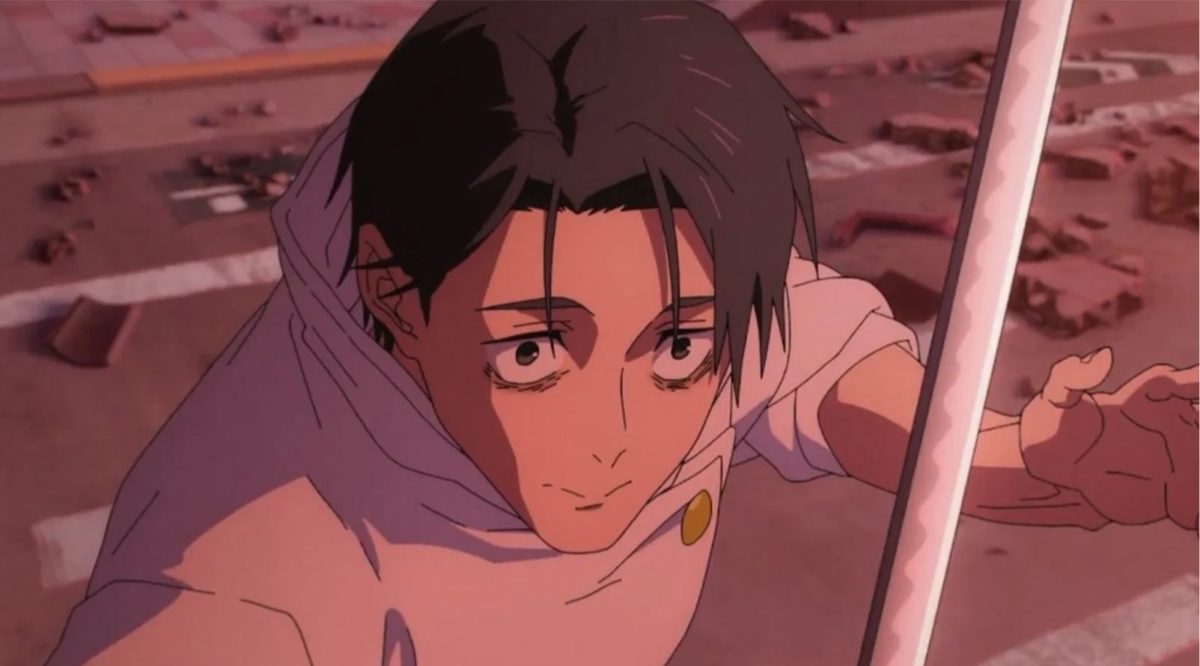
Jujutsu Kaisen: Execution also reached U.S. theaters in December, serving as an introduction to the series’s highly-anticipated third season, The Culling Game: Part 1. The movie featured a recap of the second season and the first two episodes of the third, re-introducing fan-favorite character Yuta Okkotsu. The currently-ongoing season has, somewhat impossibly, met the already sky-high bar set by the previous one, with episode four, “Perfect Preparation,” receiving a prestigious rating of 9.7/10 by over twenty-six thousand users on IMDb. Like its shonen counterpart Chainsaw Man, the anime is also praised for phenomenal animation and a plot worth investing in.
While the previous two examples are both produced by the industry titan MAPPA, even smaller studios have found a place to shine with their works. Studio Durian’s magnum opus Look Back is another highly-acclaimed anime film, based on the one-shot manga by Tatsuki Fujimoto (who coincidentally, is also the creator of Chainsaw Man). The picturesque animation has a stunning 100% critic rating on Rotten Tomatoes. I think that the movie’s success, in spite of its studio’s humbler origins, speaks volumes about how popular anime has become.
Overall, I am extremely excited by anime films’ growing relevance in popular culture, and I certainly do not believe that it will slow down anytime soon. For example, I expect Umamusume: Pretty Derby – Beginning of a New Era, which is set to release in North America this February, to make big waves in theaters, especially given the success of the mobile game it’s based on. As a matter of fact, Umamusume: Pretty Derby won the Game Awards 2025’s “Best Mobile Game” as a testament to its popularity. As a huge anime fan myself, I look forward to what the future holds for these movies.