

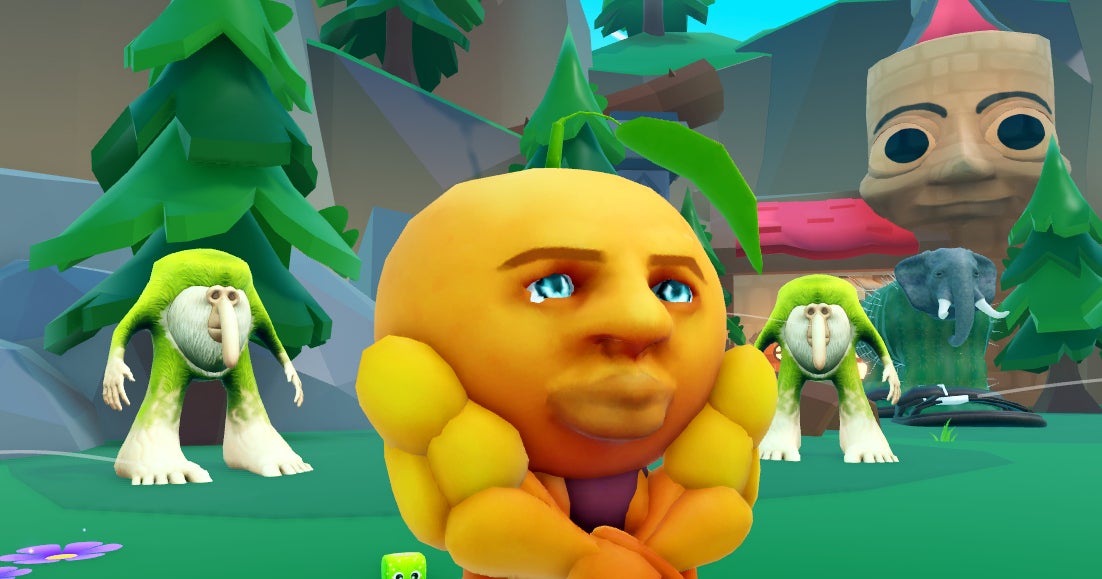
On September 1, 2006, Roblox was first established to build a communal, online platform with an emphasis on creativity and originality. During its early days, many creators channeled their skills into creating games such as Natural Disaster Survival and Work at a Pizza Place, building a foundation for the platform’s influence on the gaming community and inspiring newer, more exciting games to come. Today, Roblox endorses the creation of “brainrot” games such as Plants Vs Brainrot, Steal a Brainrot, and Escape Tsunami for Brainrots, a jarring combination of games that contradicts the motto of the platform.
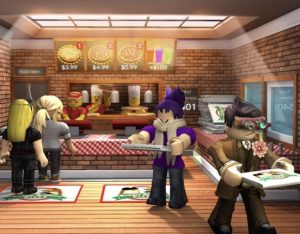
Early games were innovative due to their simplicity and emphasis on social roleplay. In Work at a Pizza Place, players ran a pizza restaurant in various ways: cooking the pizza, interacting with customers, and delivering takeout pizza. In Natural Disaster Survival, players collaborated to survive a natural disaster that rotated every round. With a limited toolbox, game developers could afford to be creative, creating quality content rather than cheap, quick entertainment like many modern brainrot games today.
The flood of brainrot games arose from generational differences between players. Roblox traditionally targets an audience of young children, and with the introduction of Generation Alpha, modern games are driven with the mindset of high engagement through simple, rapidly produced content. Fueled by trends such as Italian brainrot and nonsensical Gen Alpha humor, these games are meant to achieve high revenue through their mind-numbing nature. Rather than gradually developing gameplay, brainrot games focus on quick, addictive dopamine spikes. This dopamine spike is often achieved through repetitive, fast-paced gameplay whether it be a race to obtain the rarest brainrot in Steal a Brainrot or generating digital currency for consistent consumption in various tycoon games. Games that were once praised for their individuality now hastily chase trends that yield the greatest profit and engagement. It becomes a race to follow a trend to the fullest, squeezing every cent and second of engagement that can be made before abandoning ship for something new.
Additionally, there has been an influx of AI-generated content being marketed in games, ranging from thumbnails, backgrounds, to game assets, sparking controversy among gamers. Critics label the generated content as lazy and soulless, while gamers see this as a sign of a game that is misleading and low quality. These AI-generated games contribute to the sea of slop that is spreading throughout the platform, ignored by its moderation (if even noticed).
Roblox’s moderation of the games represents their stance on originality. By pushing addictive, brain-numbing games to the front page, it sends players a message: creativity is dead. It can discourage game developers from attempting to create something new when formulaic games such as tycoons and simulators succeed in the algorithm.
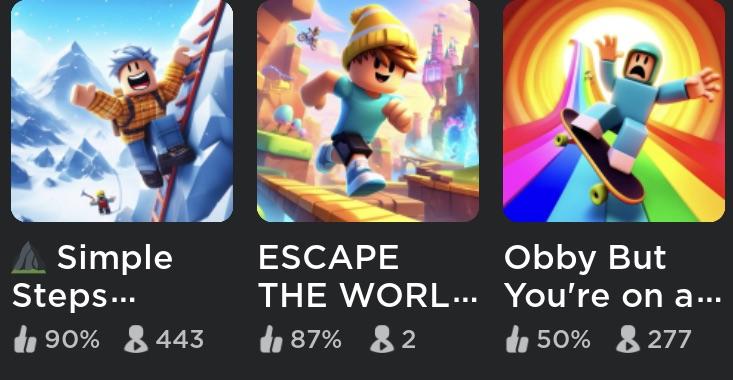
Yet, time and time again, the community persists in keeping the creativity as a part of the Roblox experience. In the sea of repetitive gameplay, hidden gems lie in the platform. Experiences rising in popularity such as Scary Shawarma Kiosk offer deeply engaging gameplay through emphasis on content over popularity. In this horror experience, players work a night shift, serving food while identifying anomalies throughout the round to avoid getting fired. Players have to avoid jump scares and adhere to strict rules as the difficulty in identifying anomalies increases with every round. In its essence, this game shows that there is some semblance of the identity Roblox once prided itself upon.
Roblox is no longer a platform for a community of gamers and creators. It has become a marketplace prioritizing the accumulation of profit. Conformity is pushed to the front page, while originality is hidden in a sea of slop. Yet the resilience of the community has been able to persist in keeping creativity and originality alive.