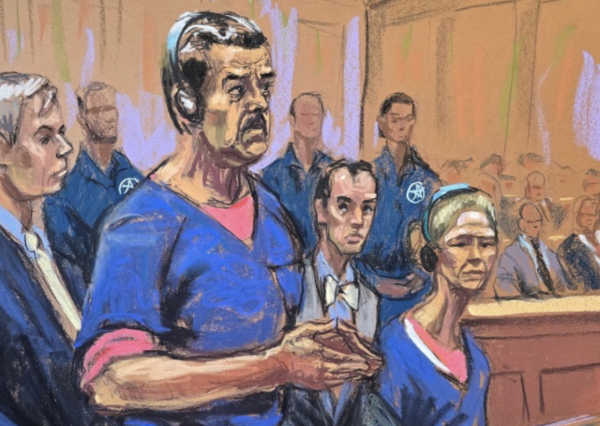

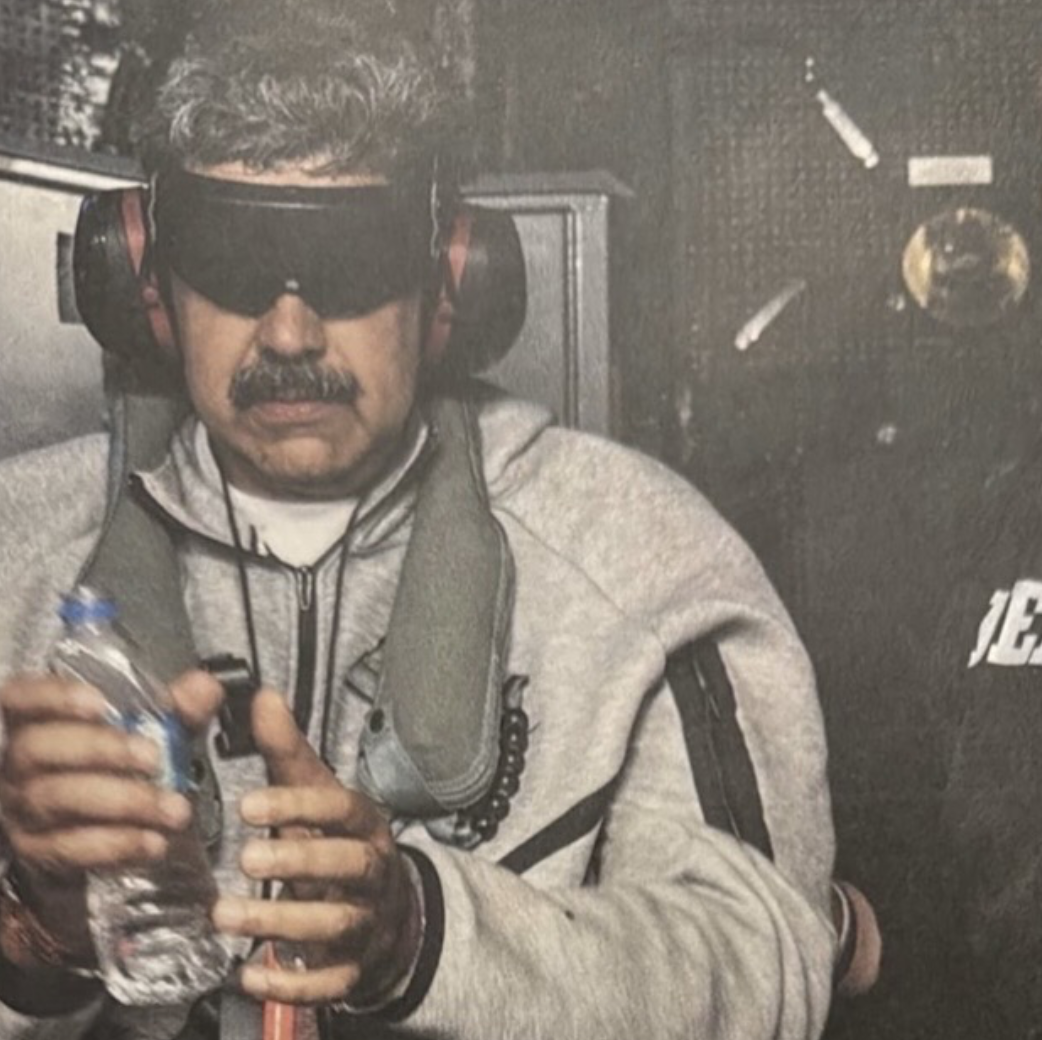
In the early hours of January 3, 2026, Operation Absolute Resolve commenced, and by sunrise, one of the world’s most controversial leaders had vanished into U.S. custody. This operation had been planned since late 2025, with the CIA sending a unit to Venezuela to gather information on its president, Nicolás Maduro. The Trump administration has stated that the invasion of Venezuela was not an act of war, but rather a law enforcement operation, apprehending President Maduro and his wife, Cilia Flores, for drug-related offenses such as narcoterrorism—use of violence, intimidation, and corruption to influence government policy to protect drug operation and hinder anti-drug law enforcement. But many are skeptical. Although it seems that this operation is a breath of fresh air for Venezuelans, many controversies regarding international law and sovereignty are raised.
While the operation seemed sudden, it had been in preparation for months. U.S. forces  started to target and strike vessels in the Caribbean and Pacific that were accused of carrying drugs into the country. Additionally, U.S. spies had been watching and monitoring the president of Venezuela for months. On the day of the operation, the power was cut in major areas of Caracas, the capital of Venezuela, allowing for the forces of over 150 military aircrafts to enter quietly. Explosions boomed across the city as the aircrafts started to strike, causing upwards of forty people to be killed. The Delta Force used explosives to move through the building where the president was residing and, after just five minutes, they had President Maduro and his wife in custody.
The operation is stated to have occurred purely because of the criminal offenses committed, related to drug trafficking and narcoterrorism, but many believe there are other reasons.
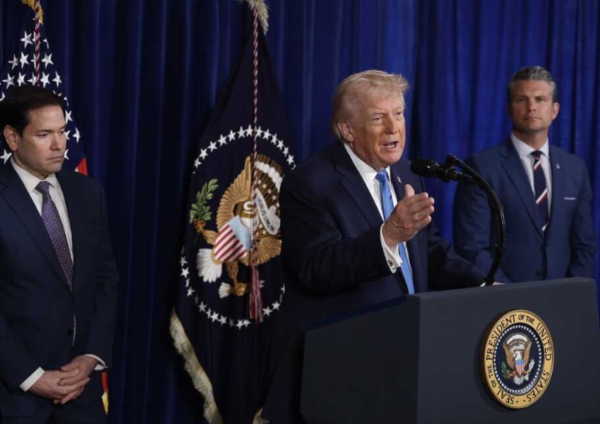
Venezuela is not a major player in global drug trafficking, especially compared to its neighboring countries, such as Colombia. Some people believe that the operation was carried out to create regime change and take control of its valuable resources, primarily oil–Venezuela has the largest reserves of oil in the western hemisphere. But is the U.S. in a war with Venezuela? Trump hasn’t formally declared war on Venezuela, but rather highlights the fact that it is/was a war on drugs. Currently, Delcy Rodríguez, a Venezuelan lawyer, diplomat, and politician backed by the U.S. government is Venezuela’s acting new president.
Venezuela has been through many periods of dictatorship throughout history. Hugo Chávez was elected in 1998 and initiated the Bolivarian Revolution, a political and social movement that focused on wealth distribution, poverty reduction, and overall reform. Over time, though, the revolution faced many problems, such as hyperinflation and corruption.
He was able to gain immense control and the country started to shift toward an authoritarian regime. After Chávez, Maduro became president, but from 2019 to 2023, Juan Guaidó was internationally recognized as an interim president. He was working against Maduro in order to transition to a democratic state, giving high hope to many Venezuelans.
However, he was sent into exile and is currently living in the United States after being unable to dislodge Maduro. Despite many countries refusing to recognize him as president, Maduro was fraudulently elected in 2024 after manipulating the votes. Venezuela is known as a petrostate which is when a country is heavily dependent on the export of their natural resources, in this case oil. Being in an authoritarian regime has left Venezuela in extreme humanitarian and economic crises with high crime, food and medicine shortages, and political instability.
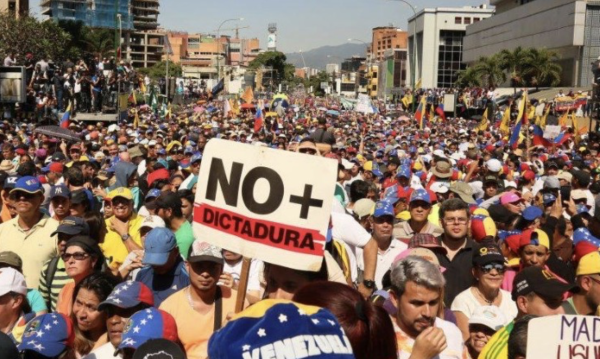
Venezuela is still facing all these problems, but having an interim president makes many Venezuelans hopeful that change will occur, although some are unsure due to the intense fear created by the uncertainty and the ongoing years of dictatorship. However, the operation itself raises many concerns regarding international law and sovereignty as the U.S military attack is widely regarded as an illegal violation of international law.
This action breached both the UN charter and debates are going on it violating the U.S Constitution. Still, no major actions are being taken on the U.S or Trump for the operation, and it sets a dangerous precedent that military backed law enforcement actions can be used to simply remove foreign leaders.
Maduro was brought to federal court in New York on January 5th where he pleaded not guilty to drug trafficking and narcoterrorism. His next court appearance is scheduled for March 17th where more information will be known. For now, we can hope the economic and humanitarian conditions in Venezuela will become better with its new president, and its years of authoritarian rule will finally come to an end.