

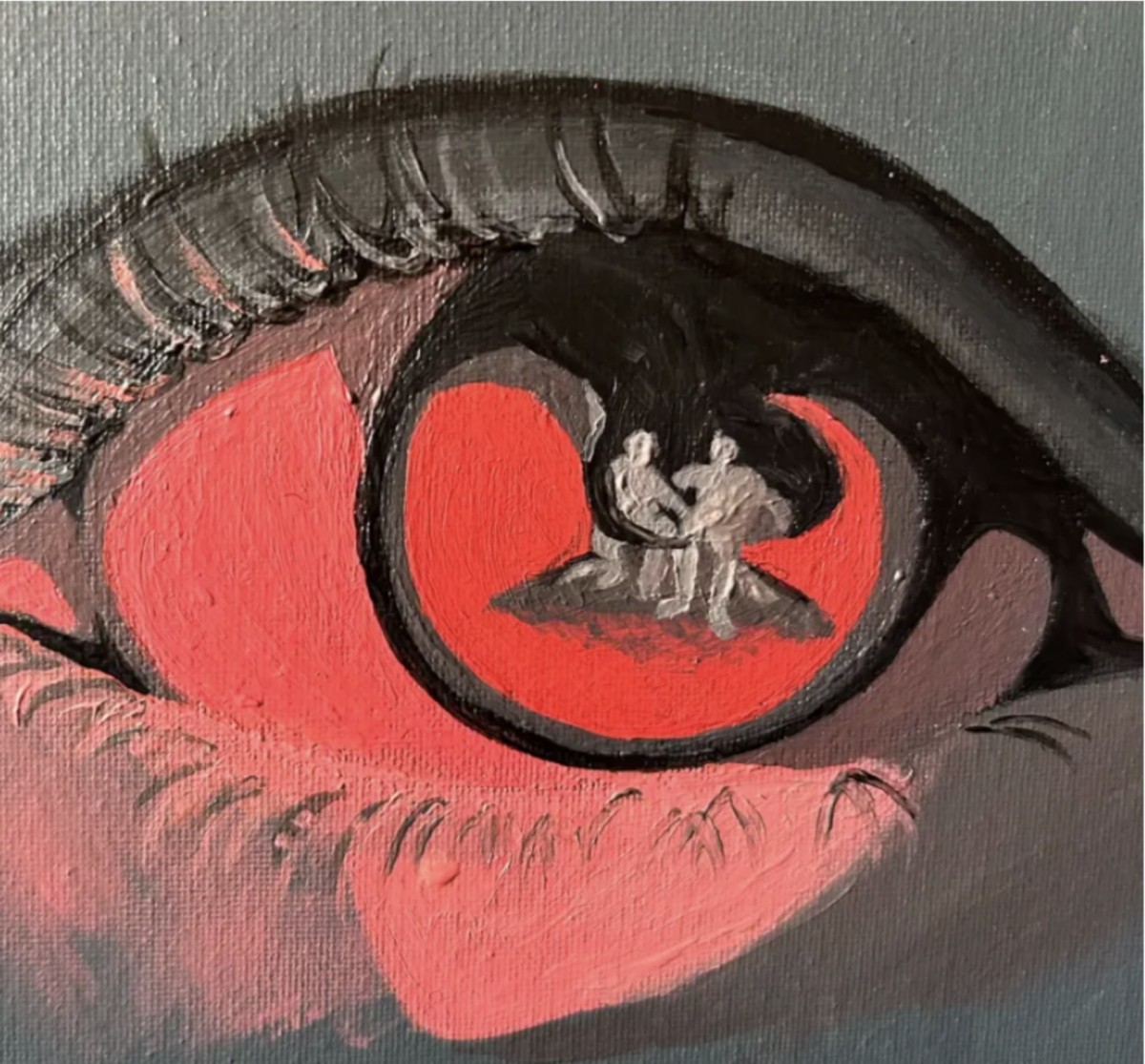
One of the most notable sentiments of comfort in memory may be the product of psychological manipulation for a power grab: weaponized nostalgia. The term nostalgia was originally coined by a Swiss medical student who labelled it, contrary to the sentiment we are familiar with, a neurological disease with maladaptive psychological and physiological symptoms. The symptoms were listed as anxiety, sadness, pessimism, and insomnia. The definition has evolved, as the Oxford English Dictionary now defines nostalgia as “a sentimental longing or wistful affection for a period in the past.”
The definition of weaponization, according to Merriam-Webster Dictionary, is “to adapt for use as a weapon of war, often used figuratively.” The conjunctions of the definitions of weaponization and nostalgia results in the term used to describe a strategic method of dominating public spheres by manipulating shared public sentiments of longing for a past that is true or manufactured. We have allowed nostalgia to not only leave us with pangs of discomfort, but also mark the continuity of our identities by holding a nuanced stance toward our former selves. This doesn’t mean that the obsession and complicated mourning of the past cannot overwhelm the positivity of nostalgic sentiment.
The vulnerability fostered by nostalgia opens up a route for manipulation. Our pasts solidify as a permanent artwork of our actions, 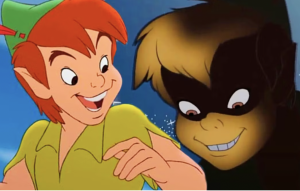 yet with the manipulation of nostalgia, they can be draped and dressed into an alternate reality. The first exposure to this manipulation and glorification of nostalgia can occur during our malleable childhoods.
J.M. Barrie’s Peter Pan presents us with the rose-tinted narrative of an obsessive longing to cling to childhood, while omitting the inevitable consequences of it. Peter Pan, named after Pan, the god of wilderness, embodies the absence of self-governance and logic. He is portrayed as a whimsical and mysterious friend that promises the protagonist, Wendy, to an eternal childhood. It is a cautionary story driven by the pitfalls of nostalgia.
His eternal escape from growing up led to his name being coined after the popular psychology term “Peter Pan Syndrome” or more formally known as “failure-to-launch,” which is assigned to adults who struggle to psychologically advance past the nostalgia of their childhood. Barrie’s novel, despite being a classic childhood favorite, is evidence of the decades-old habit of romanticizing the past through nostalgia. A habit that has proved to pose as a strategic tool to the most influential systems in the world.
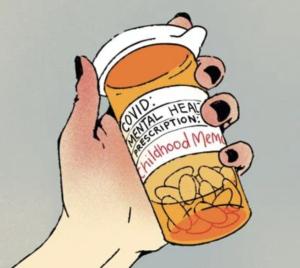
Through the realm of marketing, we witness the most significant waves of nostalgia-driven advertising during national or global events marked by signs of social regression. Most recently, the COVID-19 pandemic of five years ago invoked heightened levels of nostalgia as a coping mechanism to establish self-continuity while trapped in social isolation.
Companies reframed their marketing strategies, observing this phenomenon. The Nike You Can’t Stop Us campaign used archival footage with the powerful message of hope and inclusion to reinvigorate audiences during the taxing times of the pandemic. Nostalgia proved to be a tool for moving forward and an agent for positive change.
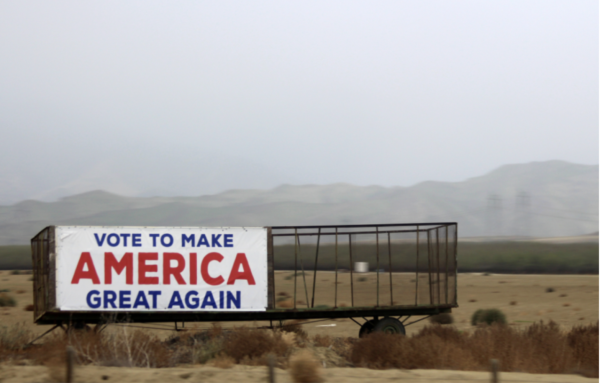 Beyond the use of nostalgia in strategic marketing, the pervasive way nostalgia infiltrates our lives is through politics. We see the artificial manufacturing of a “Golden Age” that a politician may urge that we revert to. The most notorious example of this was seen with the Make America Great Again campaign promising prosperity in national identity. When a campaign is driven by the promise of greatness, the absence of logic and experience becomes irrelevant. During the 45th president’s second election, although he seemed to be the obvious incorrect option to many, he presented a unique allure to the youngest generation of voters: the seemingly-progressive Gen Z.
This generation also grew up in an era so fast-paced that elements of the era’s culture struggled to establish roots, often being weeded out and replaced with fresh trends and cultural norms constantly. Through the allure of nostalgia for a more traditional and stable time, the current president swayed the votes of the desperate youth in his favor.
The worst of weaponized nostalgia is yet to come in the United States, but the product of its wreckage is apparent across the Atlantic. 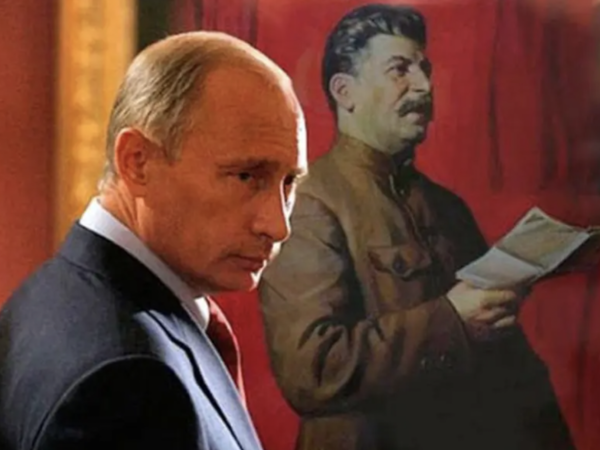 Russian dictator Vladimir Putin initially garnered support during the end of the 20th century using tactics of nostalgia similar to those of our 47th president. In the post-Soviet period, the citizens of Russia sought guidance, especially those who were born in a time after the Soviet rule had uprooted Russia’s cultural identity to replace it with one that is solely political. Putin utilized nostalgia for societal manipulation and control and established an authoritarian regime founded on the promise to reverse Russia’s humiliation post-Soviet rule.
Considering the detrimental effects of falling victim to weaponized nostalgia, perhaps that Swiss medical student was right to diagnose nostalgia as a neurological disease. The sentimental value we place on the past weakens our defenses, making the average emotionally-in-touch individual the easiest targets of manipulation.
Still, we cannot eliminate the fact that nostalgia can be an agent for change, if we manage to harness it ourselves. We are the only ones capable of restoring the sentiments of our own pasts, and collectively, there is opportunity to recognize the areas in which we require systemic change. It is absolutely vital to understand that no one can promise the restoration of your own personal nostalgia. In conjunction, it is vital to recognize the areas of nostalgia in which you lack opinion on, preventing those in control from manufacturing your reality for you. The moment we hand the controls of our nostalgia over is the moment we have willingly accepted succumbing to a madness fabricated by the elite.