
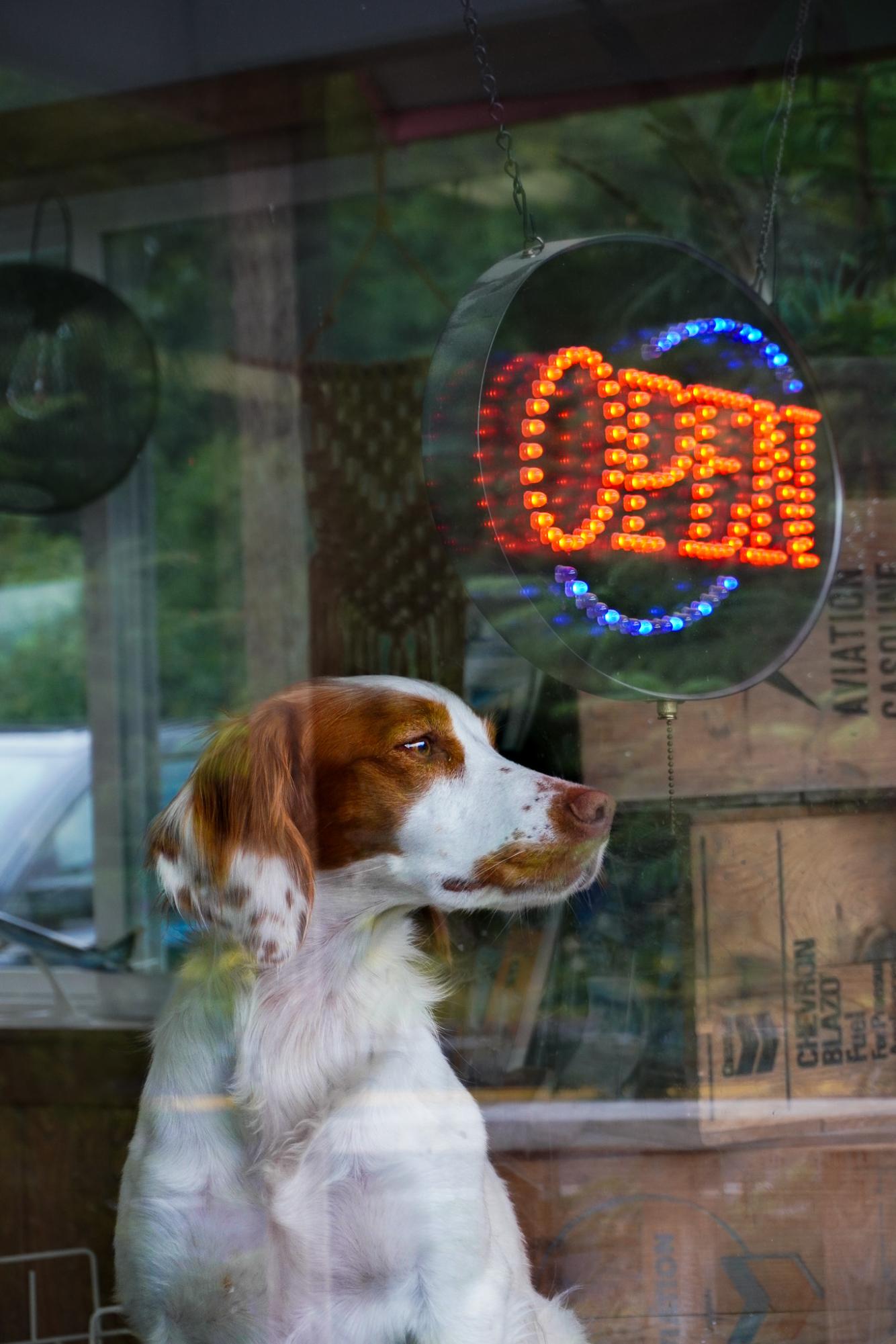
What specific moment(s) ignited your interest in photography?
I started off doing photography as a way of getting into events I wanted to watch. I would go to different high school open mic nights to watch performers and offer pictures in return for watching the show for free. I ended up loving capturing the candid reactions of the audience and pursued photography in that aspect more seriously, as I am now attending events like this almost every week.
What kind of subjects do you try to highlight in your photography?
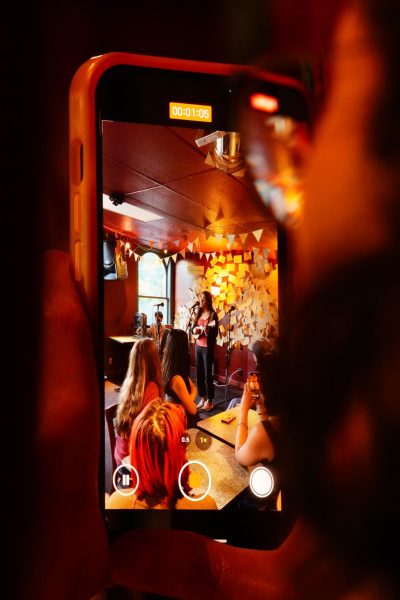
I aim to capture what fades into the background of the main moment in a frame. One of my favorite things to take pictures of is the drummer during a band’s set, and the audience’s eyes are usually not on them, but they will be having some of the best reactions during the set. I love capturing a parent’s reaction to watching their kid’s performance as well.
What kind of equipment do you use, and how has that affected your photography?
I take pictures with a Sony A6400, I’ve thrifted a couple more worn lenses for more informal shoots, as the extent of the wear on a cheaper lens tends to be a pleasant surprise when I start the shoot. While I’m on the go, and I don’t have my camera, I never hesitate to pull out my iPhone and attempt a shot. Unfortunately, recent updates with the latest models make getting a sharp and contrasted image a difficult task.
What are some mistakes or missteps you believe a photographer should avoid?
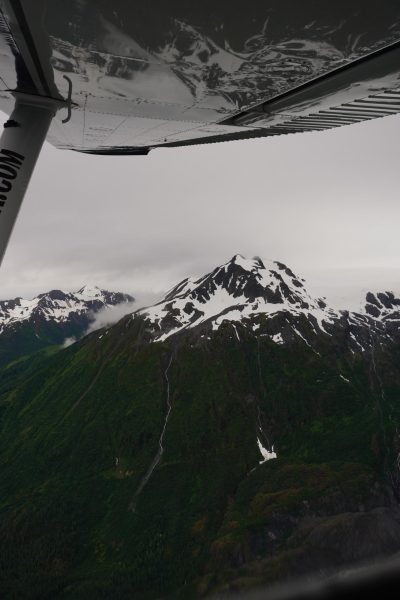
I think when it comes to photography, there is no true right or wrong with how you choose to shoot. I think; however, that sometimes it is easy to get carried away in the post-editing process. This is especially true when working with more advanced softwares like Capture One and Lightroom, as the variety of tools available makes it easy to lose vision of maintaining an intentional and consistent style.
What is the best way to take a good photo?
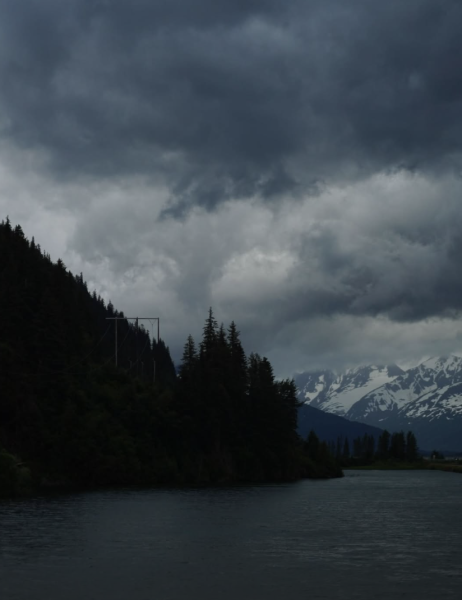
This slightly contradicts what I said before, but even though there is no true right or wrong, it is still important to be completely intentional with your photography. I think intentional storytelling and inspiration are the two key elements to a good photo. I encourage new photographers to explore the work of photographers during the times when cameras were not remotely as accessible as they are today. They were forced to be incredibly intentional with the photos they captured, so they often tell some of the most unique stories. When discovering your personal style at first, there is nothing wrong at all with mimicking the work of other photographers that inspire you, you are simply laying the grounds for your own style to blossom over time.