

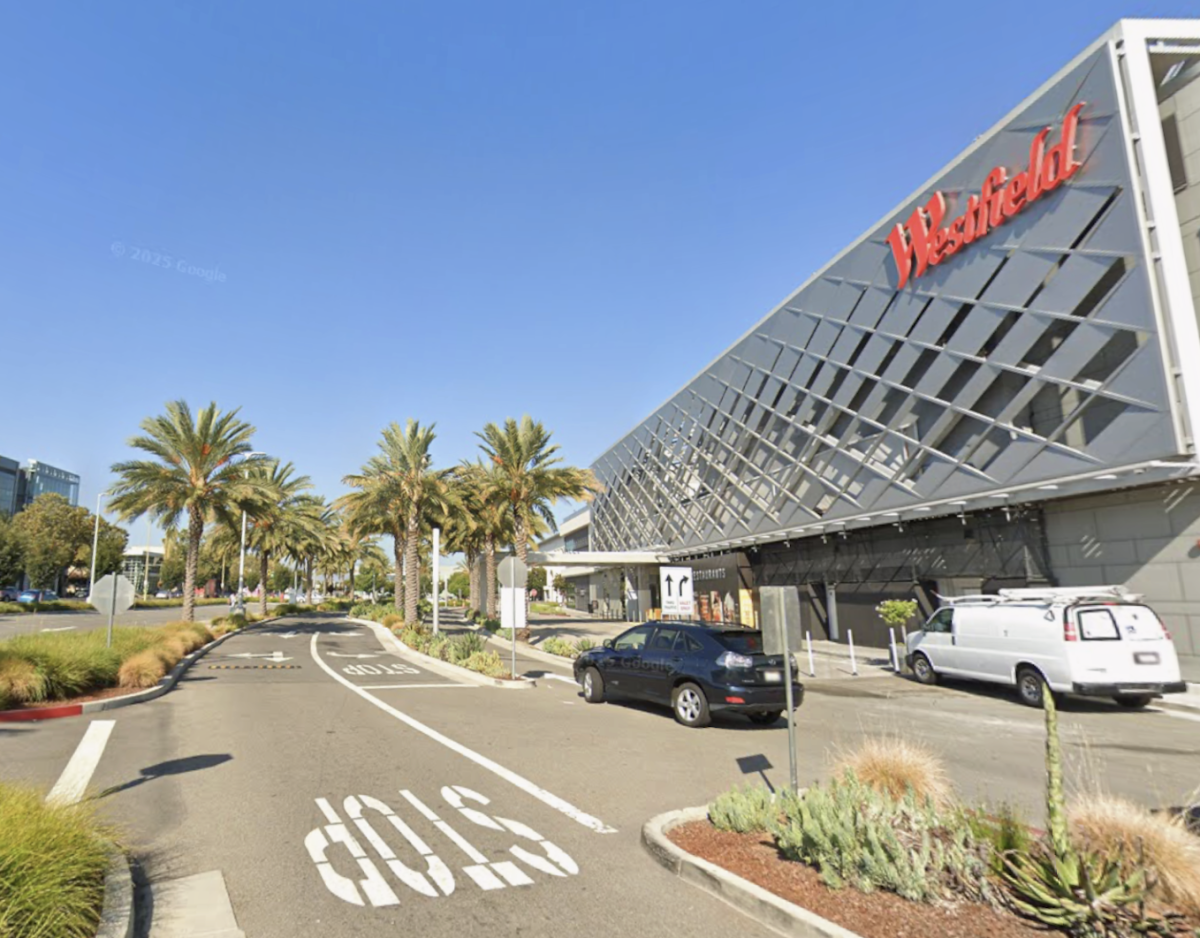
When I was much younger, my dad would always pull down this big globe from his shelf and try to explain to my sister and me where exactly we were in relation to the world, and when we were out, he would have us guess where we were on Google Maps. Often finding ourselves moderately clueless, he would poke fun at us and talk about the importance of knowing where you are. To me, however, it seemed trivial and almost ironic to guess our location on Google Maps—if I was ever curious, the app would just tell me. Of course, at that age, almost none of us really knew the area between places; we just knew home, school, extracurriculars, etc., and then zoned out while our parents got us between them. But as we have aged, most of us still haven’t consciously looked around. In a study of adults, 93% of drivers reported dependence on their GPS, and 83% of respondents believed that they would fail to navigate their city without it. Whether you drive yourself around or still get rides from others, there remains little significance to being conscious of the areas between the places we go unless they are frequent destinations themselves.
Instead, if you imagine an idealized morning in a place like New York City, you probably imagine walking and/or taking the subway to get around and passing by familiar locations in your neighborhood, like a coffee shop, grocery store, or restaurant. These places aren’t necessarily destinations, but they are integrated parts of your daily route. Even if you don’t frequent them, you become consciously aware of the things that are available to you in your neighborhood. The city widens in possibility and shrinks in intimidation as a result. Additionally, over time, you’ll stumble across unique park spaces, beautiful streets, or other outdoor landscapes that you’ll likely enjoy being present in. The mental health benefits of frequenting these green spaces cannot be overstated: according to NC State University, people who spend more time around nature experience enhanced cognitive functioning and attention, reduced stress, a lower likelihood and severity of anxiety and depressive disorders, and improved overall satisfaction.
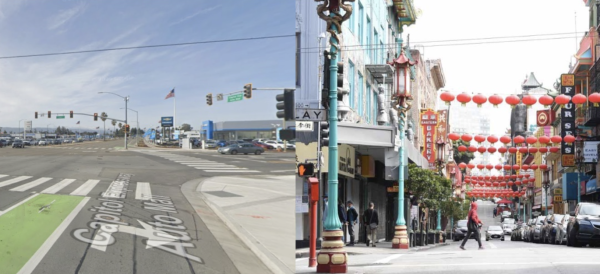
Now, take yourself back across the continent and imagine park spaces here. If you’re like me, you’re probably surprised to hear that San Jose has a nearly identical percentage of the city dedicated to park spaces when compared to New York, according to the Trust for Public Land. In other words, when scaled by acreage, park density is almost the same. Yet, in Silicon Valley, we feel like such a vast majority of our city is just endless rows of houses. And, in a way, that perception holds true. New York scores far higher on park accessibility, with practically every New York resident within a walkable half-mile of a park, whereas only 79% of our residents are afforded that luxury. And that doesn’t account for the distance friction of our area; walking for twenty minutes here on narrow sidewalks that border wide, loud, uninviting roads feels like far more of a struggle than twenty minutes in a dense city. Additionally, for New Yorkers, that walk may be the fastest transportation option available. For us, we’ll just jealously stare at car after car overtaking us in comfort as they cruise to their destination in fractions of the time.
These issues are ingrained into the lifestyle of Silicon Valley and almost all other suburbanized cities in America, and it’s something we’ve all become accustomed to. We cannot easily change or undo the nearsighted urban design that led to these troubles, but we can certainly move forward through them. If a New Yorker were to be chauffeured around the city to the extent that we drive and didn’t pay attention to the areas around them, it’s perfectly reasonable to assume that their dense landscape would be just as fractured into destinations as ours. And while it certainly isn’t realistic to ask any of us to start footslogging our way to school and back, we can all work to gather the spatial awareness that a walker receives. If you drive, try to navigate without the GPS whenever possible, and if you most often get driven, look out the window and see the city instead of scrolling or texting. Research local parks, coffee shops, or other cool areas and explore them when time allows, and, if time is very forgiving and the distance isn’t crazy, try walking to them—it’s time we work to reclaim as much of the heart of our suburban city as we can.