

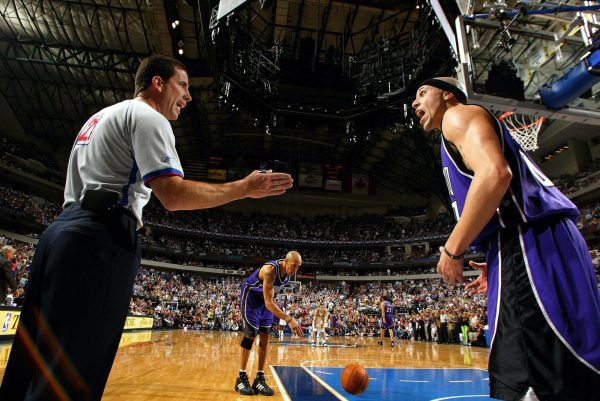
The date is August 15, 2007. After an FBI investigation, veteran NBA official Tim Donaghy has just pleaded guilty to illegally gambling on his own games. Only four years after Michael Jordan’s (final) retirement, the NBA is facing its biggest credibility threat in the league’s history.
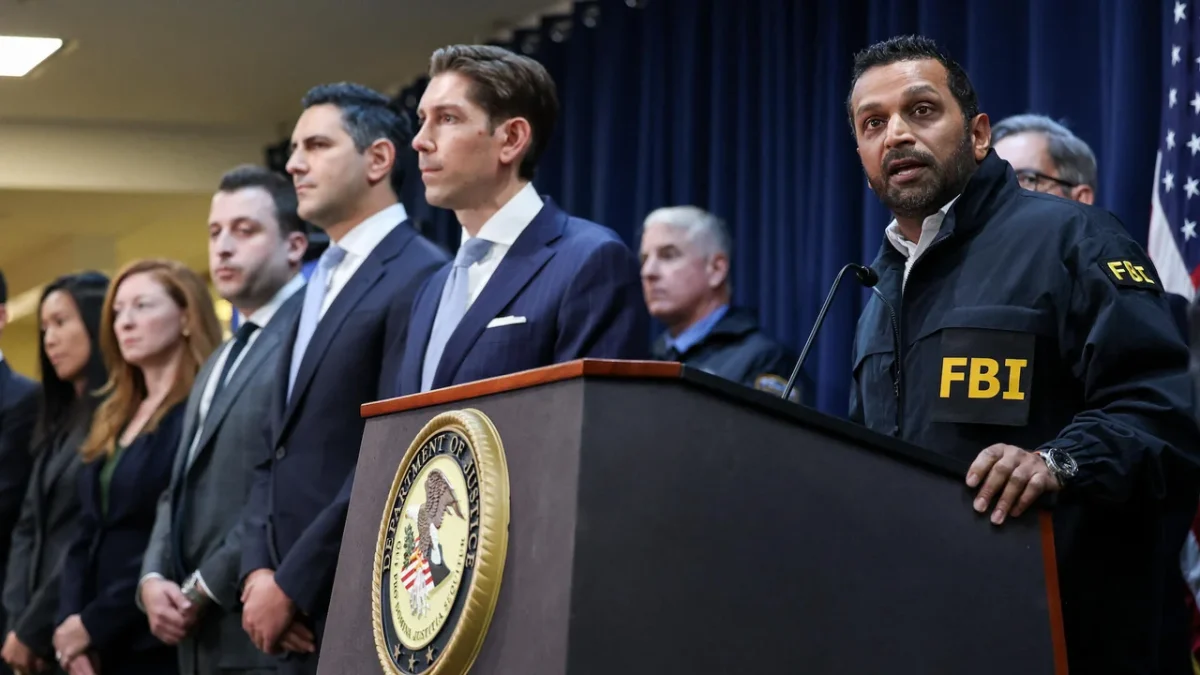
After nearly two decades of repairing their deteriorated image, another gambling scandal has struck the NBA. This time, though, the convicted perpetrators are the players and coaches themselves—individuals who directly determine the outcome of a game. Blazers head coach Chauncey Billups and Miami Heat guard Terry Rozier are among the biggest names on the FBI’s list. But where did this scandal come from? Why, after 18 years, has the league’s integrity been placed in jeopardy yet again over another gambling scheme?
The story behind this underground gambling operation isn’t so simple. In fact, the real story dates back to 2018, when the Supreme Court voted against the longstanding Professional and Amateur Sports Protection Act of 1992. While seemingly just another ruling on the surface, the details of this decision effectively legalized sports gambling from a federal standpoint, allowing individual states to make this critical decision. Since then, a shocking 38 states have allowed gambling to dominate the sports field: what once was an enjoyable pastime turned into a real source of income, one where over/under player props on points and assists have outweighed the tangible enjoyment of watching a dynamic offensive sequence.
For adults at home, there is nothing legally wrong with participating in a parlay for your favorite NBA players. Gambling comes with its consequences, but that’s a decision left to the individuals participating, as the Supreme Court would likely agree. The real problem, though, has emerged with players who want to get in on the earnings.
With the current, under-regulated structure of most gambling apps, participants can wager tens of thousands on a single over/under player line. Let’s take Terry Rozier’s points, for example. If a user wanted to bet their life savings on Terry Rozier scoring under the points line, sports betting apps would give them the opportunity to do so. Hence, if an NBA player wanted to earn an extra bonus for themselves or their closest friends, all they would have to do is fake an injury. If they can accomplish this, each person who bet on the player’s under prop would earn a substantial cash prize.
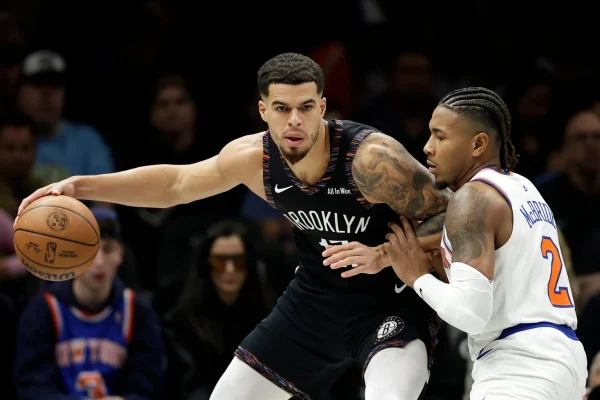
Nets forward Michael Porter Jr. put it this way: “Think about it. If you can get all your homies rich by telling them bet 10K on my under…this one game imma act like I got an injury and they all get a lil bag…some people come from nothing and they think like that.”
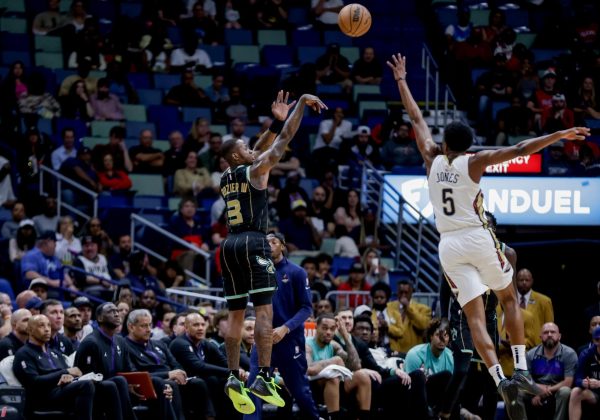
Though it may sound ridiculous, this exact situation occurred on March 23, 2023, when Rozier was playing for the Charlotte Hornets. After making a basket at the six-minute mark of the first quarter, Rozier appeared to limp as Pelicans forward Herbert Jones brought the ball down the court. In this same quarter, he exited the game due to reported “right foot discomfort.” Sports gambling companies found that proxy gambler Timothy McCormack made $53k from Rozier’s under props for this game, resulting in the latest federal investigation. The allegation, of course, was that Rozier faked the injury to ensure he didn’t hit his under totals.
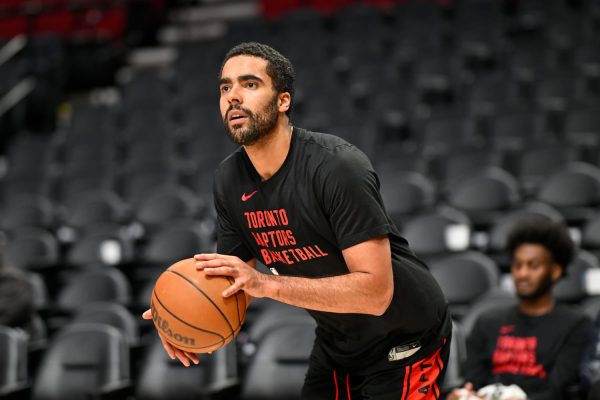
But this incident isn’t the most perplexing part of the case. The NBA can live with an isolated gambling controversy. However, just a season after, Raptors big Jontay Porter was arrested for the same “under props” situation. Porter has since pleaded guilty, but the fact that Rozier continued to play two years of professional basketball between the scandal and his arrest raises questions about the sport’s integrity.
Ten months ago, when Rozier’s situation was first reported, one could have argued that these two players were the only modern instances of illegal gambling. Just a month ago though, Trail Blazers coach Chauncey Billups and Lakers assistant coach Damon Jones were also arrested as part of the FBI investigation in all three cases. Billups was mainly accused of a separate poker scheme, though federal documents indicate that he also shared insider information of the Blazers resting their starters. Meanwhile, Jones told gamblers that stars LeBron James and Anthony Davis were out for a game due to injury.
Regardless of the details, the simple fact that coaches are sharing nonpublic team reports to gamblers is concerning. Beyond gambling, if coaches are willing to tell others about private injury reports, then what’s preventing them from also leaking strategies or lineups to other teams? The existence of multiple dishonest perpetrators only exacerbates the notion that the NBA is a “rigged,” or at the very least, fundamentally flawed league from the inside-out.
It doesn’t help that gambling players aren’t particularly easy to catch either. The FBI found Rozier and Porter’s cases due to outrageous props for, frankly, non-elite players. Other players could easily fake an injury or perform poorly for a $500 prop, instead of a $50,000 one, for example. Thus, sports gambling may continue to corrupt the fairness and legitimacy of the league, and many criminals may continue playing NBA basketball unchallenged.
While the scandal hasn’t involved the league’s biggest stars, the implications of the NBA’s historic gambling issues are apparent: if the association can’t find a solution to illegal gambling or fixed games, the NBA’s reputation will continue to dwindle.