

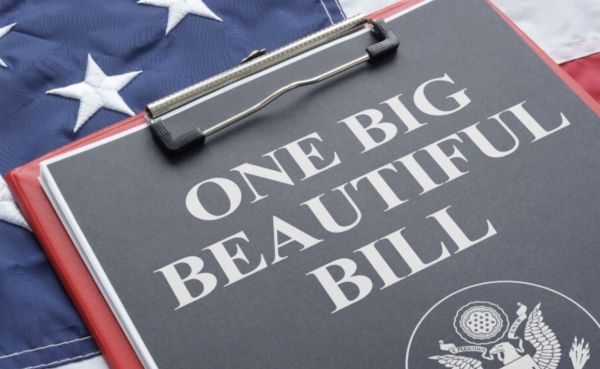
Following the 2024 election, new federal legislation concerning healthcare funding has profoundly changed the lives of millions, particularly lower-class individuals and immigrants. One of the most prevalent and impactful bills passed during the Trump Administration so far has been the One Big Beautiful Bill Act (OBBA), signed into law in July 2025 by President Donald Trump. The bill made major cuts to programs that provide healthcare, nutrition, and other assistance to US residents.
The OBBA cuts include an estimated $214 billion reduction in federal funding for Medicaid and other essential assistance programs from 2025 through 2034. Medicaid isn’t just another government program; it’s the country’s primary public health insurance program and the lifeline that millions of low-income adults, children, pregnant women, elderly adults, and people with disabilities depend on for stability and basic health. These funding cuts immensely threaten the quality of care and services for some of the nation’s most vulnerable populations.
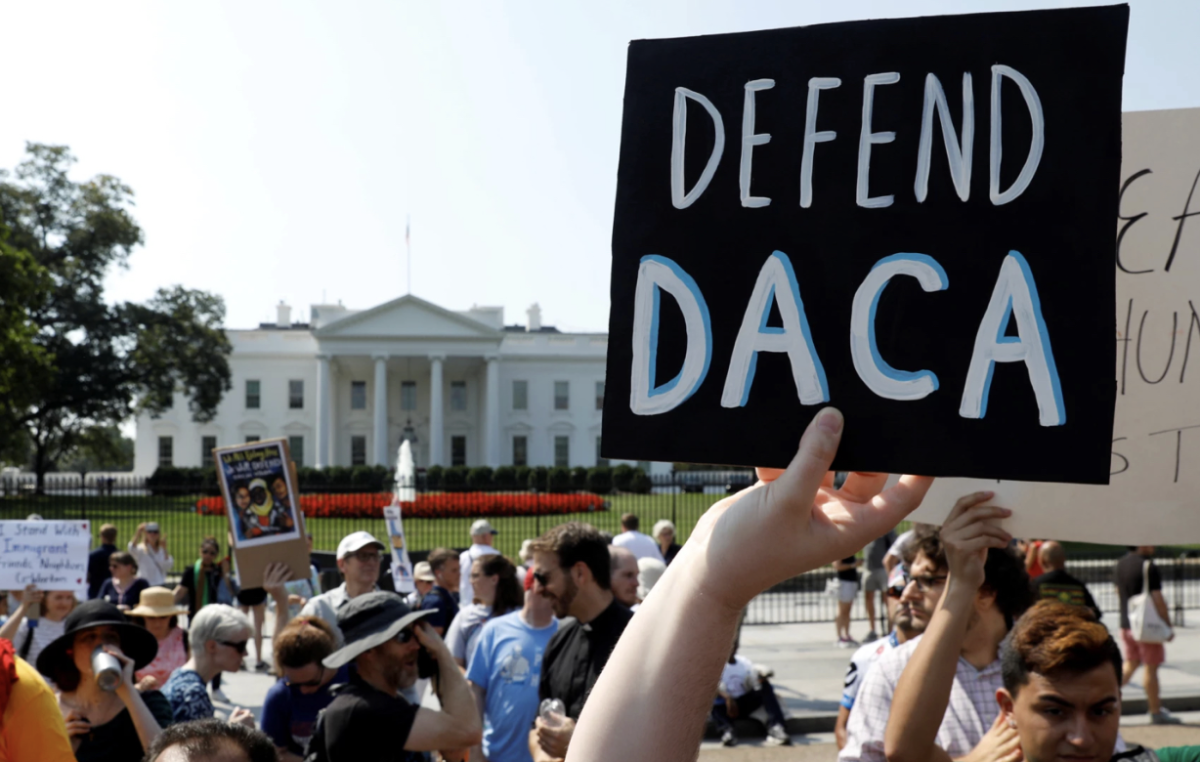
Furthermore, the OBBA legislated that DACA recipients are no longer eligible for health insurance coverage. DACA recipients are immigrants who were brought to the U.S. as children and received temporary protection and work authorization. Prior to this law, they could enroll in private insurance plans with financial assistance through the Health Insurance Marketplace—a platform created by the Affordable Care Act (ACA).
The loss of eligibility for this essential platform eliminates the main pathway for DACA recipients to access affordable private health insurance, leaving around 2,300 uninsured. The Congressional Budget Office (CBO) estimated that due to the OBBA and other associated policies, approximately 7.8 million people will not have access to insurance in 2034. That means millions of families—about 2.35% of the U.S population—will be denied access to something as fundamental as healthcare. These are real people who now may have to choose between seeing a doctor and paying rent or having to delay necessary treatment simply because they cannot afford help.

Beyond the reduction of eligibility, the new law has added unnecessary additions to the healthcare insurance process. Following the changes in July 2025, the insurance marketplace now faces enrollment and eligibility verification burdens. New rules eliminated automatic re-enrollment and monthly special enrollment periods for low-income individuals. This means that maintaining coverage—a lifeline for some families—has now become an arduous task, increasing the complexity of the enrollment process, which leads to gaps in medical coverage that could have been avoided.
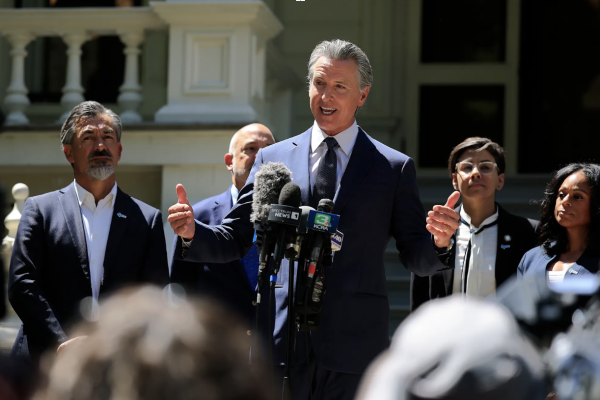
Now, as of August 31, 2025, further restrictions under the One Big Beautiful Bill Act make DACA recipients ineligible for Covered California—the state’s health insurance marketplace and the only avenue through which Californians can receive financial assistance for health coverage. Gavin Newsom, the governor of California, relays that the federal government’s actions have plunged California’s healthcare system into a state of financial crisis.
The state is not only struggling to combat the OBBA’s Medicaid cuts and the termination of DACA recipient coverage, but it is now also faced with the issue of the imminent expiration of the federal enhanced premium tax credits at the end of 2025. These tax credits greatly reduce the monthly insurance payment for millions enrolled in healthcare insurance plans through the ACA marketplace. Governor Newsom explicitly warned that without immediate Congressional action, health care costs for millions of Californians will nearly double, making the federal government’s failure to intervene a political weapon that may force constituents to pay an average of 97 percent more for monthly coverage starting in January 2026.
Under the current administration, there’s a growing realization that healthcare is being systematically transformed, moving away from its core promise as an essential public good.
This shift is not merely about funding or efficiency but the fact that policies wield medical access as a discriminatory instrument. By creating administrative barriers, like reducing coverage for vulnerable groups, the system starts turning equitable care into a selective privilege. Healthcare, which should stand as a foundation of social equity, is instead becoming a tool that further fuels pre-existing inequalities and actively discriminates against those who are already marginalized.
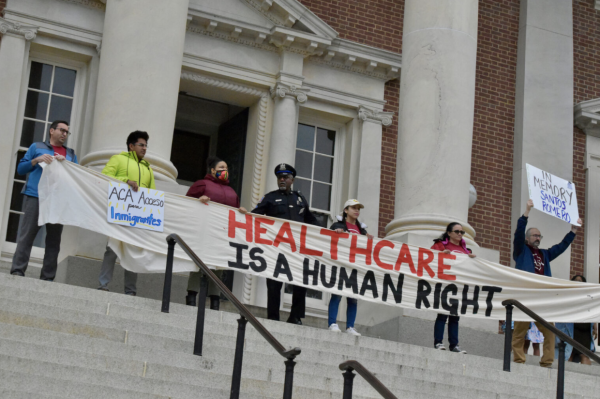
Denying healthcare to communities like DACA recipients and other minority groups, directly and indirectly, undermines the health of our whole society.
Even one group being excluded from care creates a strain on emergency services, allows preventable illnesses to spread, and drives up costs for everyone. When we speak about those being affected, it seems like a distant issue.
Yet, the people being affected are members of our schools, neighborhoods, and communities, and fighting for inclusive and affordable healthcare for everyone is something we should strive to do as people who care about the well-being of our society. Working towards fixing systemic injustices in the healthcare sphere is the single best way to stabilize and strengthen the entire American healthcare system, and promote a healthy and just America.