

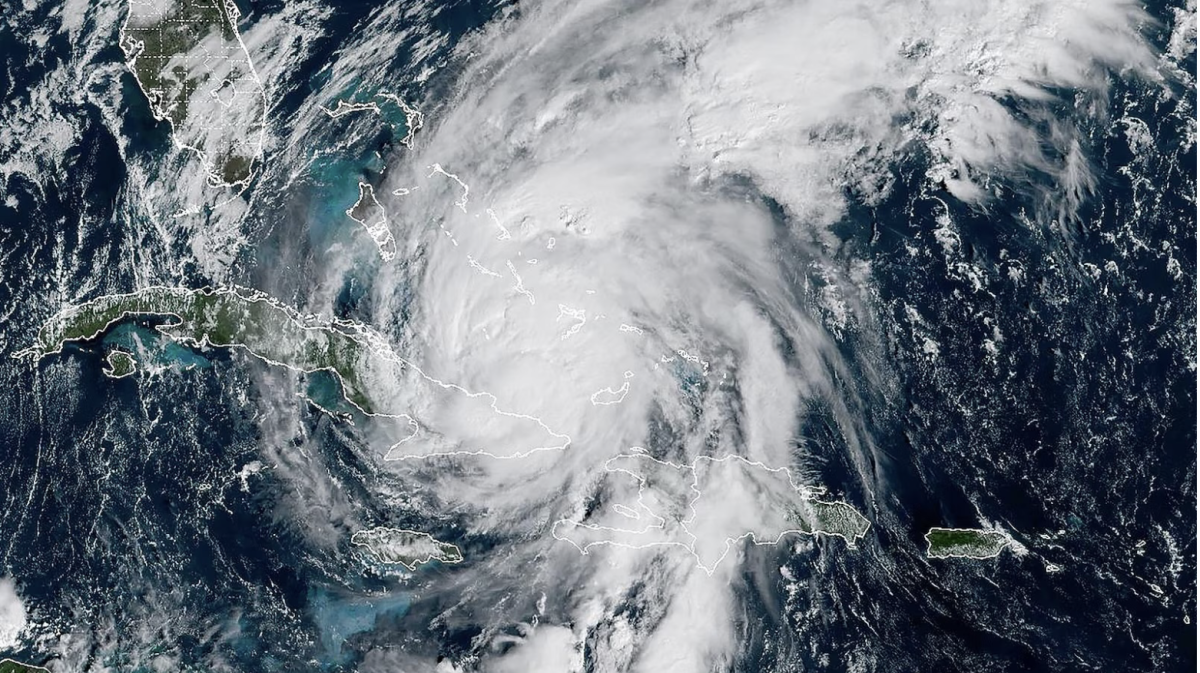
Hurricane Melissa recently devastated Jamaica and other neighboring countries in the Caribbean. It was Earth’s strongest storm in 2025, killing 67 people and at least 32 people in Jamaica alone. However, beyond the death toll itself, Hurricane Melissa has devastating effects on every sector of life on the people of Jamaica.
 To begin with, the hurricane caused significant damage to infrastructure, collapsing residential buildings (accounting for approximately 41% of the damage), demolishing roads, and devastating the agricultural sector, including livestock. In addition, due to this high level of destruction, there was more than 4.8 million tons of debris left across Western Jamaica. Olympic track and field medalist Asafa Powell claims the aftermath looks “like a world war, where somebody drops a bomb.”
Thousands of families are still unable to access electricity or clean water and full restoration could take up to six months. In the time of destruction and lack of access to basic human needs, nearly 477,000 children are unable to access education across Cuba, Haiti, and Jamaica. Thousands of people were additionally displaced indefinitely all across the Caribbean.
In addition, an estimate from John Porter, meteorologist at AccuWeather, says that the cost to repair the damages done by the hurricane could be as much as $22 billion US dollars, which is $2 billion higher than Jamaica’s annual GDP: and despite the $150M dollar “catastrophe bond” deposit they have, that deposit only covers 5% of the cost needed to repair damages.
While the structural and economic ruination is staggering, an even more pressing matter has emerged in its wake: a growing public-health crisis. Recently, on November 21, Jamaica announced a bacterial outbreak of leptospirosis, a disease that can cause fever, headaches and vomiting; and in severe cases, it can progress to jaundice, kidney failure, meningitis, and even death. After Hurricane Melissa, the bacterial strain was found contaminated in the waters of the storm that residents touched when they waded through the flooded waters. At least 37 people have been sickened thus far with 11 reported deaths, and with hundreds of thousands of Jamaicans being exposed to the same unsafe and unsanitary conditions, public health is being threatened.
The agricultural sector was most heavily impacted: 47,500 farmers lost an accumulated 8.8 billion US dollars in domestic crops alone: in addition to losses in other crops, the millions of livestock that died, and agricultural infrastructure that was razed, an estimated 29.5 billion dollars was lost overall. The livelihoods of these people are questioned, especially with such significant loss.
However, Jamaica has fortunately not been abandoned. As a result of hurricane Melissa’s devastation, people around the world are finding new methods to aid Jamaica in its efforts of recovery, ranging from donations to volunteer work.
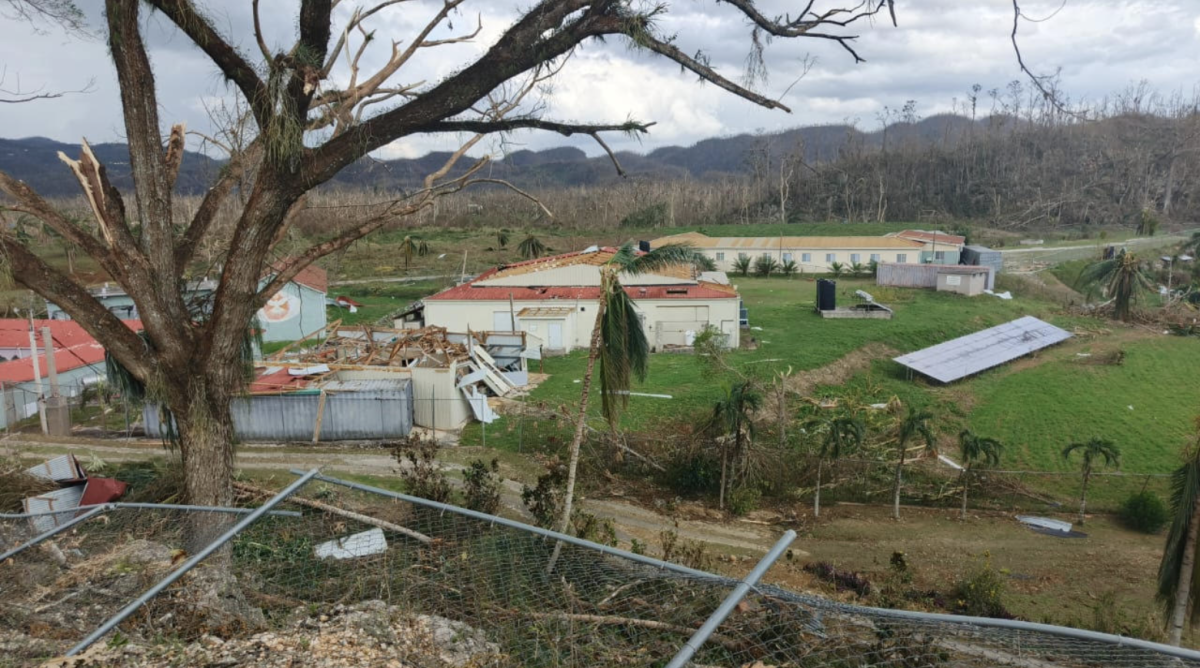
In one instance, a Jacksonville pilot worked together with other volunteers to fly supplies and food to the people of Jamaica. Together, they not only provided physical resources to the people of Jamaica but also emotional assistance by being there for those who lost their homes and loved ones.
Archbishop Mitty has also stepped into this issue. Mrs. McCullough, the teacher and leader of Archbishop Mitty’s Ethics, Culture, and Justice (ECJ) Jamaica class, provided some of her insights on the disaster. Her communication with the program’s trip partners in Jamaica reveals the hidden strength of the Jamaican people amidst adversity. The community leaders say, “we are a resilient people, we will rebuild,” reflecting their strong nature even during hardships. It’s a spirit we can strive to embody in our everyday lives as well.
As Mitty’s response to Hurricane Melissa, the ECJ Jamaica class has conducted extensive research on the issue, educating themselves about the “short and long-term environmental, economic, and social impacts” as well as possible forms of assistance they can bring to the area, as stated by Mrs. McCullough. The program itself is also planning to adjust accordingly with more involvement in building projects and active service than before.
Even with all these efforts, the journey to full recovery is still a long road ahead. Every bit of assistance, no matter how small, can help speed up this process. Therefore, it is paramount for us to provide what we can. If you are interested in aiding Jamaica, it is possible to donate directly to organizations. Such places include the Diocese of Mandeville, who has been in contact with Mitty. They aim to rebuild and repair schools, establish temporary learning spaces, and to provide the needs of students and educators in the area.
As a community, we ask that you keep the people of Jamaica in your prayers and remember the resilience they continue to show. Even amid immense loss, it is never too late to lend hope to those who need it most. Through these considerations, Jamaica can be restored–- perhaps even toward a future brighter than before.